How to Keep an Audience Engaged All Night Long As a Solo Live Musician

Anyone who's interacted with me in any aspect of life knows that I'm a serial over-preparer. It comes from my time as a pilot when I learned that checklists were not only helpful, but mission-critical. Depending on the flight, sometimes pre-flight planning took longer than the flight itself!

I leave nothing to chance, not the sound, not the look, not even the feeling I want audiences to have. I have checklists for acoustic concerts, electric concerts where I don't sing, electric concerts where I do, short, medium and long tours and even parenting-related checklists that I follow as if I was in the cockpit again adjusting the air and fuel mixture. This allows me to focus entirely on the show, without worrying about small details. This is only one of the things I learned early on about how to keep an audience engaged all night long as a solo live musician, and today, we're going to go through some of the setlist-specific things you can do in your live shows to have a crowd eating out of the palm of your hand!
Setlist Adaptability
Once the amps are on, and it's time to get to work, it's impossible to ignore the fact that set-lists are the one aspect where this checklist mentality gets challenged the most.
I can't tell you how many times I've driven to a venue for the first time, asked the owners the typical age of their clientele, gotten told it's mostly Gen-Z, and once there, get greeted with four tables of silver foxes requesting Sweet Caroline and telling me about that time they heard Tom Petty after class.
If you have a setlist full of Arctic Monkeys and Olivia Dean, now's the time to panic! Unless you have the your entire setlist in view either in a music book or tablet, then you can just go with whatever they seem to vibing with.
Bringing a plan is important, but being sensitive to what your audience is vibing to is ten times more important, and the way to be the most sensitive to that is to be an expert at your setlist.
Setlist Expertise
I'm going to get flak for this, I know it, but it has to be said, because it's pretty egregious in Vietnam: If you're reading the lyrics off of a tablet, you're not performing, you're doing karaoke with extra steps.
Don't get me wrong, there's a big difference between chord charts, structure guides and outright reading. But if you can't play the song without reading the lyrics, then you can't play the song!
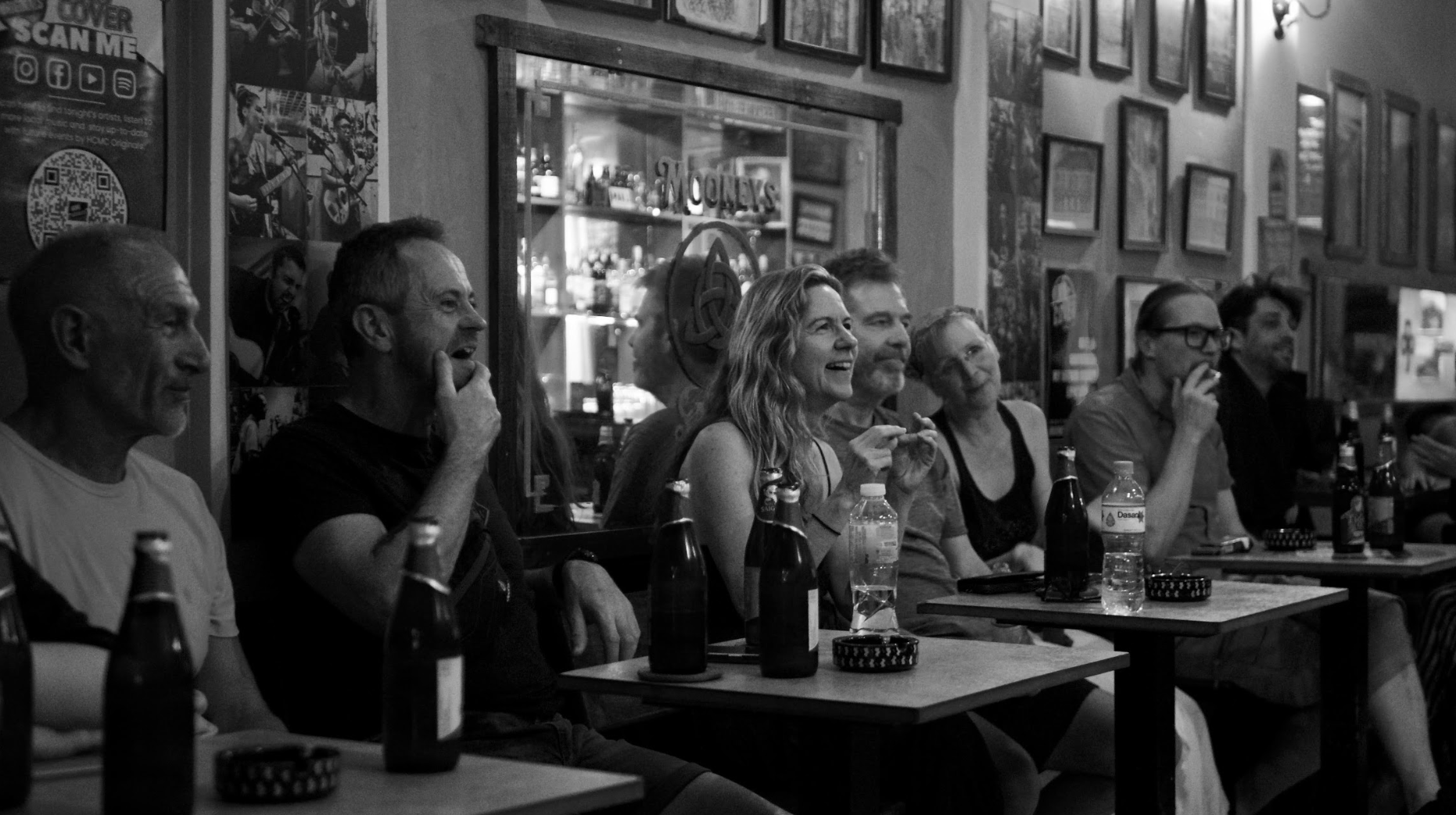
If your eyes are glued to the lyrics, will you notice the lady sitting alone singing to herself? Will you spot the group lightly banging their heads, or catch the table opposite them sighing at your song choice?
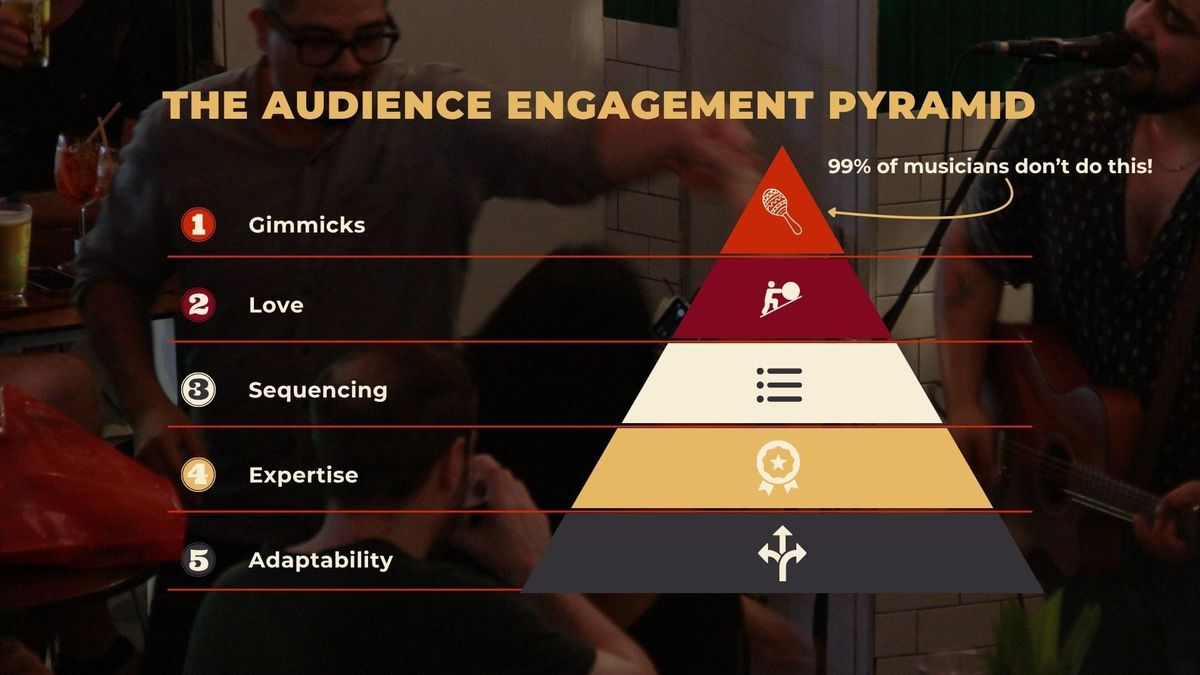
Monitoring the room is the one skill that will get audience's attention. But knowing when and how to pull-back with a ballad, and when to reignite the room is what gives your set the dynamics to keep them engaged for the long run.
Setlist Sequencing
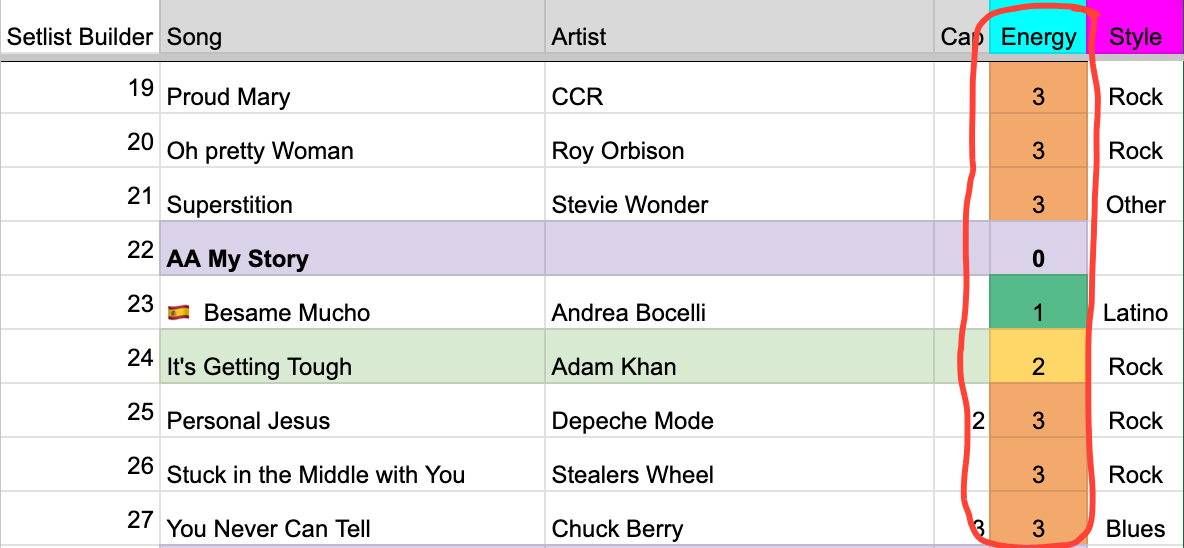
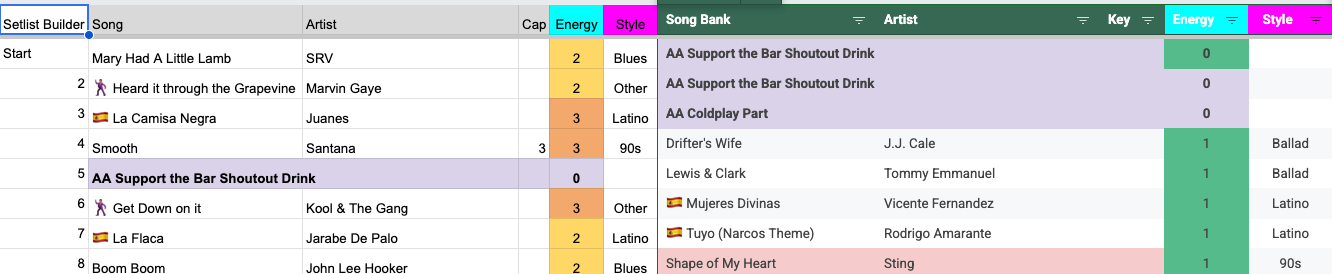
We've all been 19. Back when I started live music I thought the best way to get people to dance, sweat, and spend more money was to play nothing but maximum energy songs, and while it did work for 20 minutes, audiences were exhausted by the 30 minute mark!
Mixing in some lower energy songs will give people the ear-candy break they need to rest up, get some more drinks, and get ready for more high energy dancing.
Preplanning Banter
This might be a step too far for some, but I also like to pre-plan when I'm going to interact with the audience beyond a simple "thank you" after every song. I include two hard-stops per set where I discuss supporting the bar, supporting live music in general, and make reference to the setlist sheets I carry to every gig so that people can make requests for a tip.
Once you've mixed and matched some high and low energy songs, you'll have people eating right out of the palm of your hands... But the next item will push them towards the edge, and keep their attention locked.
Setlist Love
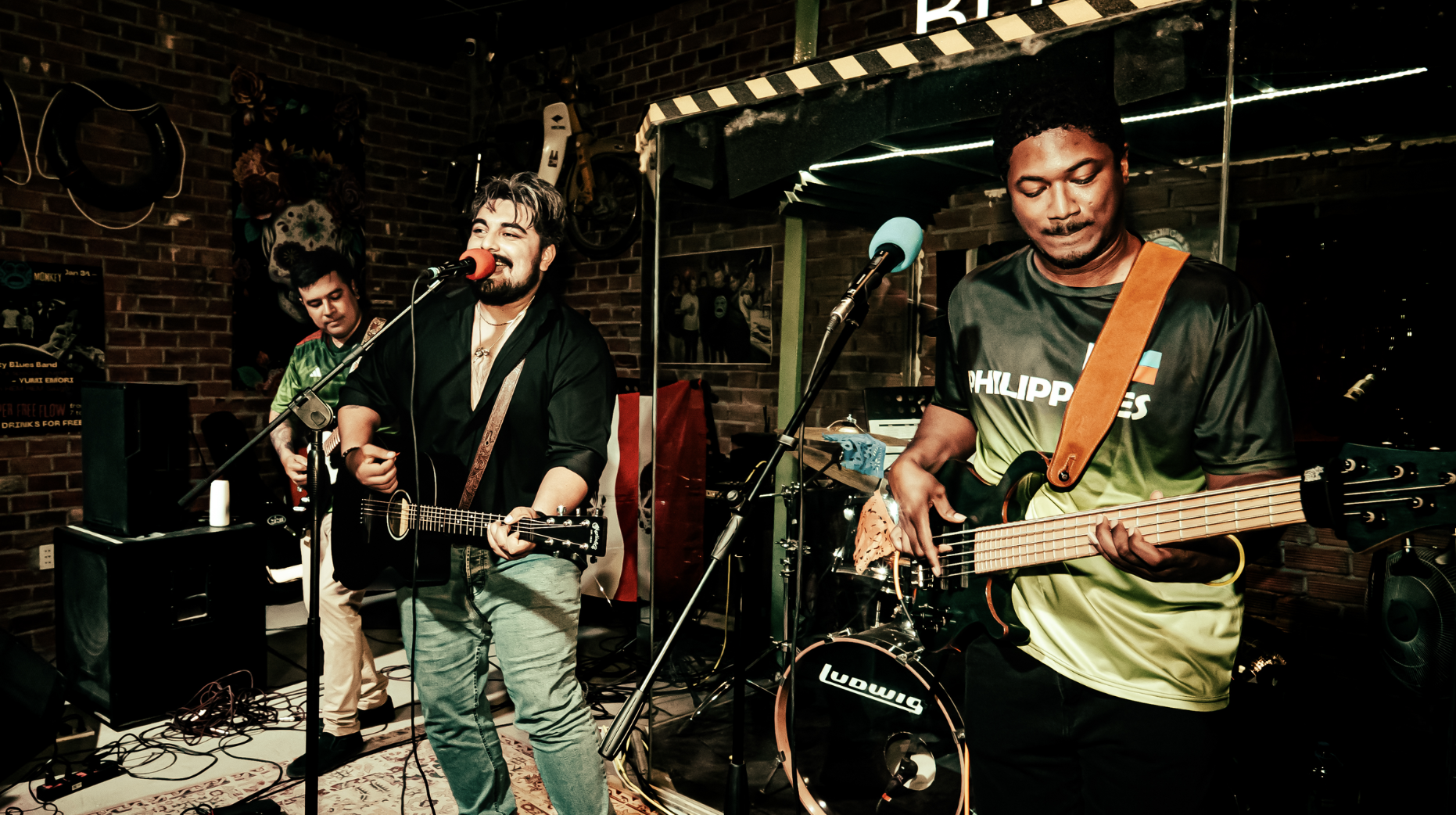
I've spoken a lot in this article about playing to the room, paying attention to what audiences are vibing to and playing more of that, but a mistake that I made in the beginning of my career, and a mistake I see musicians young and old do time and time again is to play music that they don't love.
Your mission as a live musician, is to find the overlap between the music that you love playing, and what audiences like hearing. It's a delicate balance that you have to strike. But I like to think that the less likely an audience is to vibe to a song, the more you need to demonstrate your love for it. It will compensate for it.
For instance, I love playing Johnny B Good, it's a 60s style rock n roll tune that most people by now aren't really vibing hard to... But guess who is? It's high-energy, dancey, and allows me to show off my chops. I dance, headbang and sing it with deliverance and pure joy!
Setlist Gimmicks

This last setlist feature will tip you over that last 1% that will turn your shows from concerts, to experiences.
Having a setlist gimmick of some sort is the ultimate audience-first experience, because it almost forces audience interactions.
One of my favorites is the cinephile trivia, where audiences get to choose a team name, and have to guess the movie where the songs that I play feature. Teams get a point for guessing the movie, and if they do a dance related to it, they get three points. This not only makes for great content for social media, it also impresses venue owners around the world who want to be able to brag about the musicians in their rosters.
This is just one idea though, all over the world, I've seen people do a Disney sets, but made in a Rock n Roll style, or a wrestling themes set. Think about something funny that you'll like and that you know the audience will love, and you'll be in the top 1% of entertainers in your scene.
Conclusion
So what did you think? Did I convince you? Annoy you? Or both? Let's talk about it below!
Check out Flow to streamline your setlist building today!
 Signal Chain
 Adam Khan