The 3 Biggest Problems With Playing Live Shows with Guitar Modelers and How to Fix Them

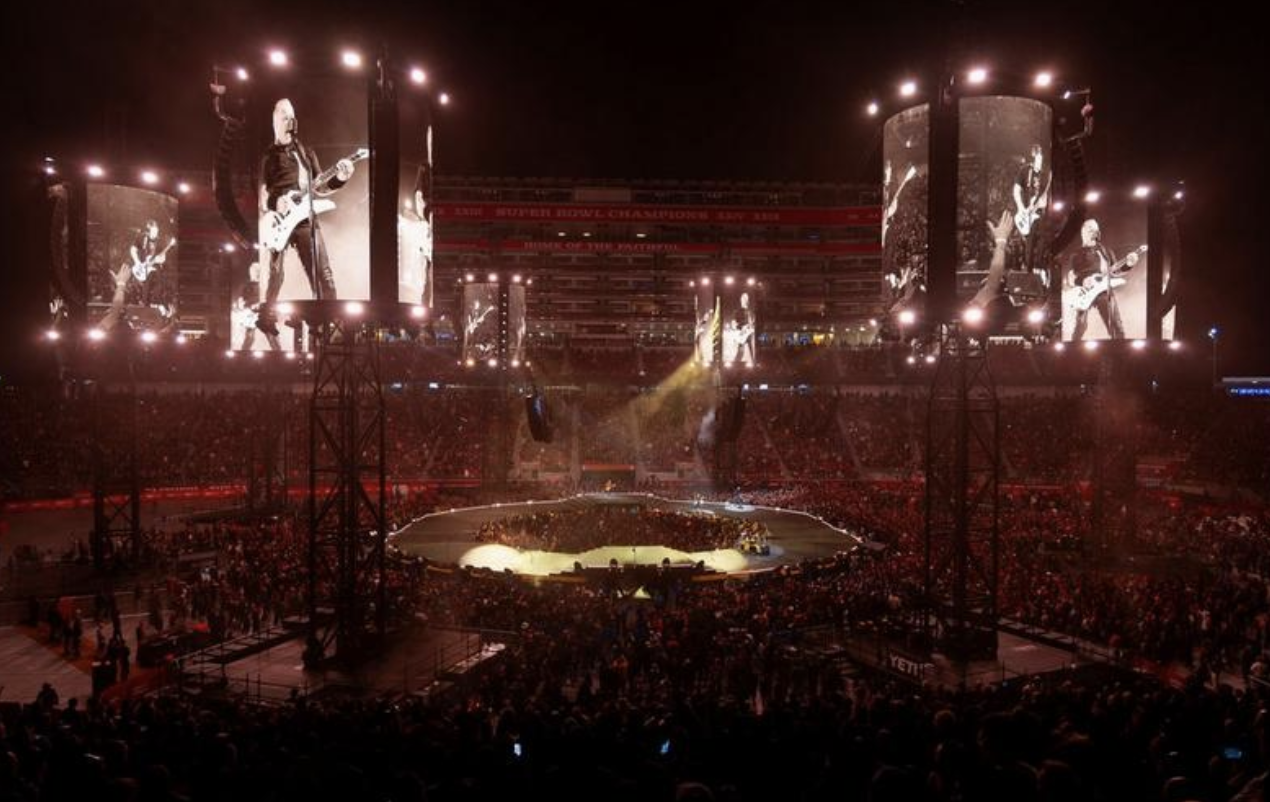
One of the main discussions I see all over the internet is whether or not guitar modelers like the Line6 Helix or Quad Cortex sound like real amps. Spoiler alert: most audiences cannot tell the difference. That's why giant bands like Metallica have ditched their heavy, costly rigs for much more sensible, top-of-the-line Fractal FM9 modelers... But as always, this is only part of the story, and just because Metallica has made it work, doesn't mean that local bands can get away with it too, let me explain.
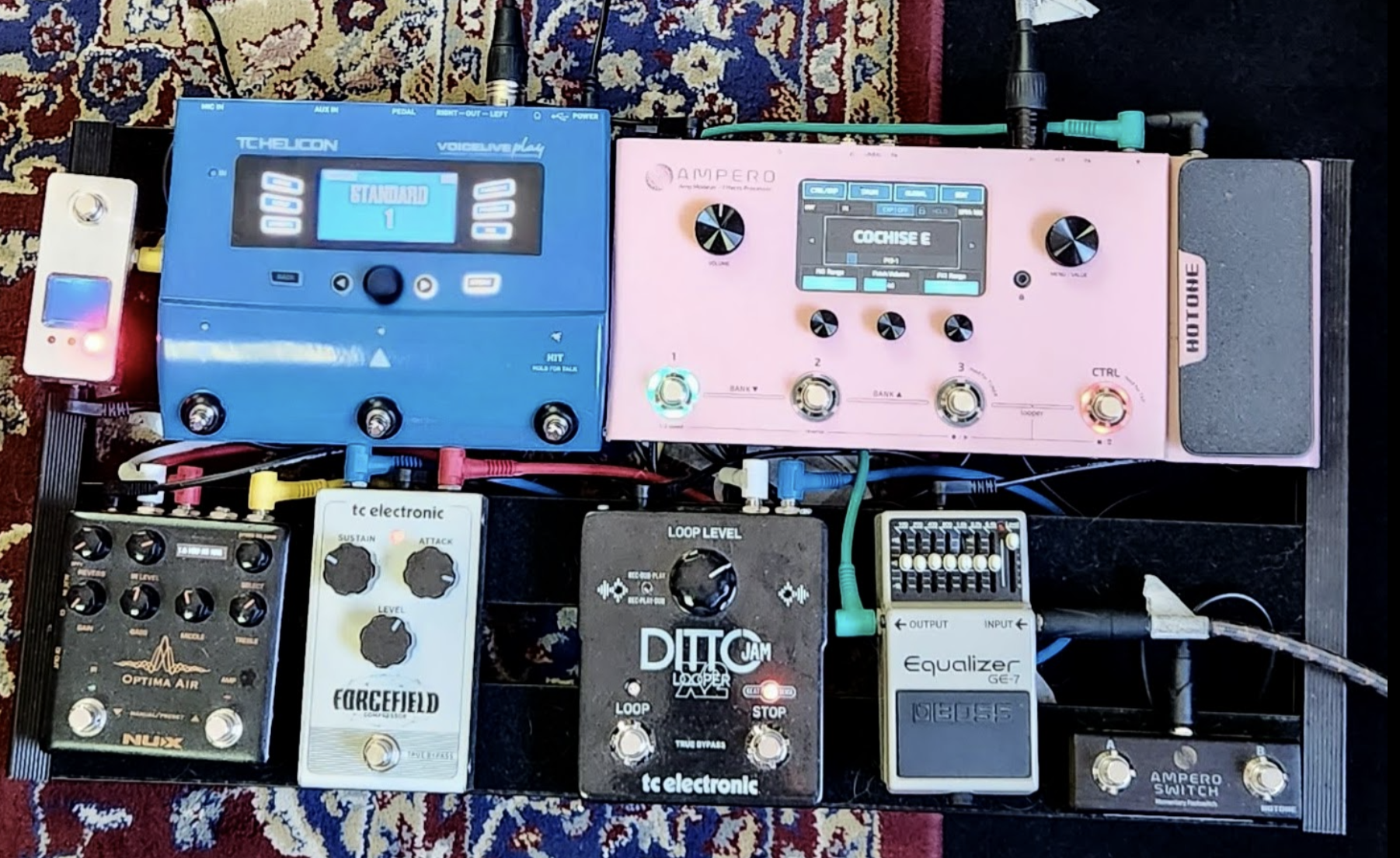
I am firmly in the modeler camp, I am the happy owner of a Hotone Ampero Stage II, the review of which you can read here, but I certainly understand people's concerns with the technology. Detractors of amp-modeling argue that while the technology is as advanced as it ever has been, there's still a je ne sais quoi that modelers will never be able to replicate from an amp, and I happen to know what that is, and the solutions will not surprise some of you.
Problem #1: The Amp in the Room Feel
You're Not Metallica
Metallica aren't playing small shows, they exclusively play stadiums, in which, even if they were playing through real amps, most of the audience would only ever hear the mic'ed up version of the amps, pushed through gigantic PA systems. This is where the majority of players get modeling wrong.
Modelers, straight into front of house PA systems, will only ever sound authentic when you're playing shows so large that the audience was never going to hear the sound coming directly from the amp anyway.
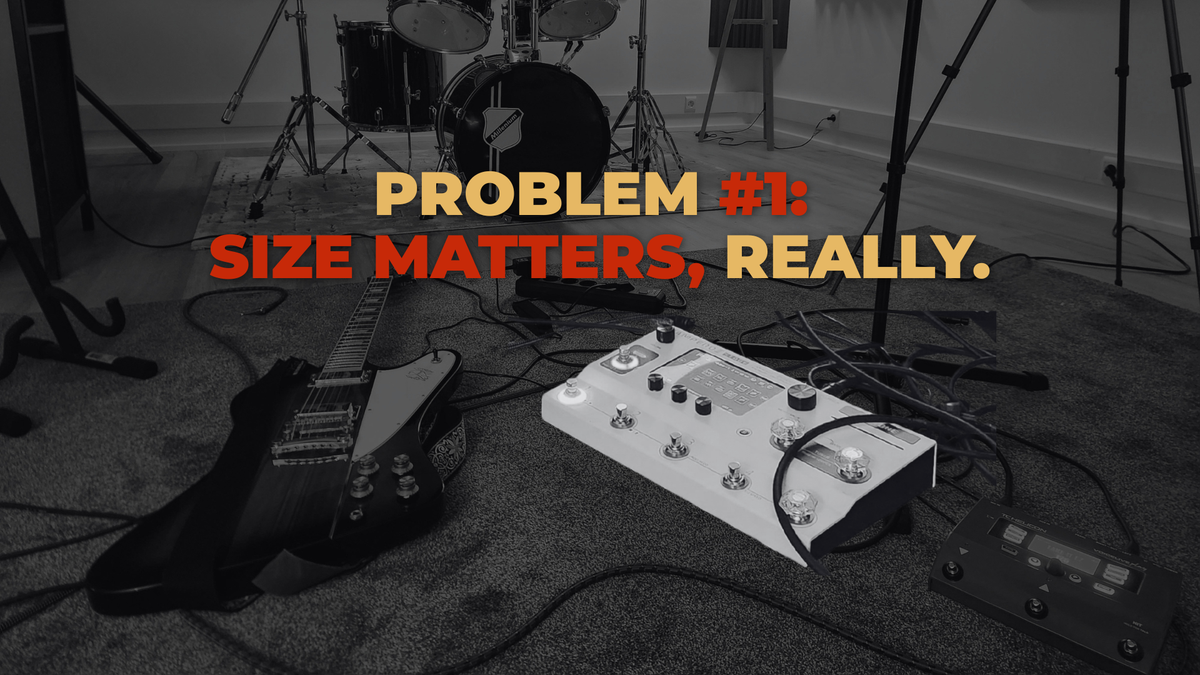
If you're playing a local gig, and you're using a modeler, the audience will definitely 'feel' the difference, though not necessarily 'hear' it. I've played enough shows with and without an amp to notice that audiences don't head-bang as much, or don't mosh, or don't engage as much when I use a modeler plugged straight into the mixer. That's because when there's a real amp playing, there is a physical sensation happening in their bodies, that goes beyond just sound. The volumes at which Metallica push their PA systems compensates for this, the volumes at which you're playing at the local pub do not.
The Old-School Fix
So what are we as local musicians to do? Well... What I've seen delivers the best results is pairing our beloved modelers with the FX Return socket of a real, physical amp and turning off cab simulation/IRs on the modeler, and here's why:
- When you plug into the the FX Return of the amp, you're bypassing the amp section, and going straight into the power amp section, which amplifies the volume of the signal without coloring it, and then sends that amplified signal to the speaker. This means that you can use the amp simulation of your modeler, but use a real speaker, best of both worlds!
- The sound and feel of the speaker will make your playing not only more dynamic, but more three-dimensional, audiences will 'feel' what you're playing more because they can feel the vibration playing through their bodies.
For the more hardcore modeler users out here, this might seem like a disappointing fix, but it's so necessary for smaller venues, you don't even need a massive amp, a small 8" speaker amp with an FX loop is more than enough for this, all you need is something that will push air, and cause that sensation in audiences.
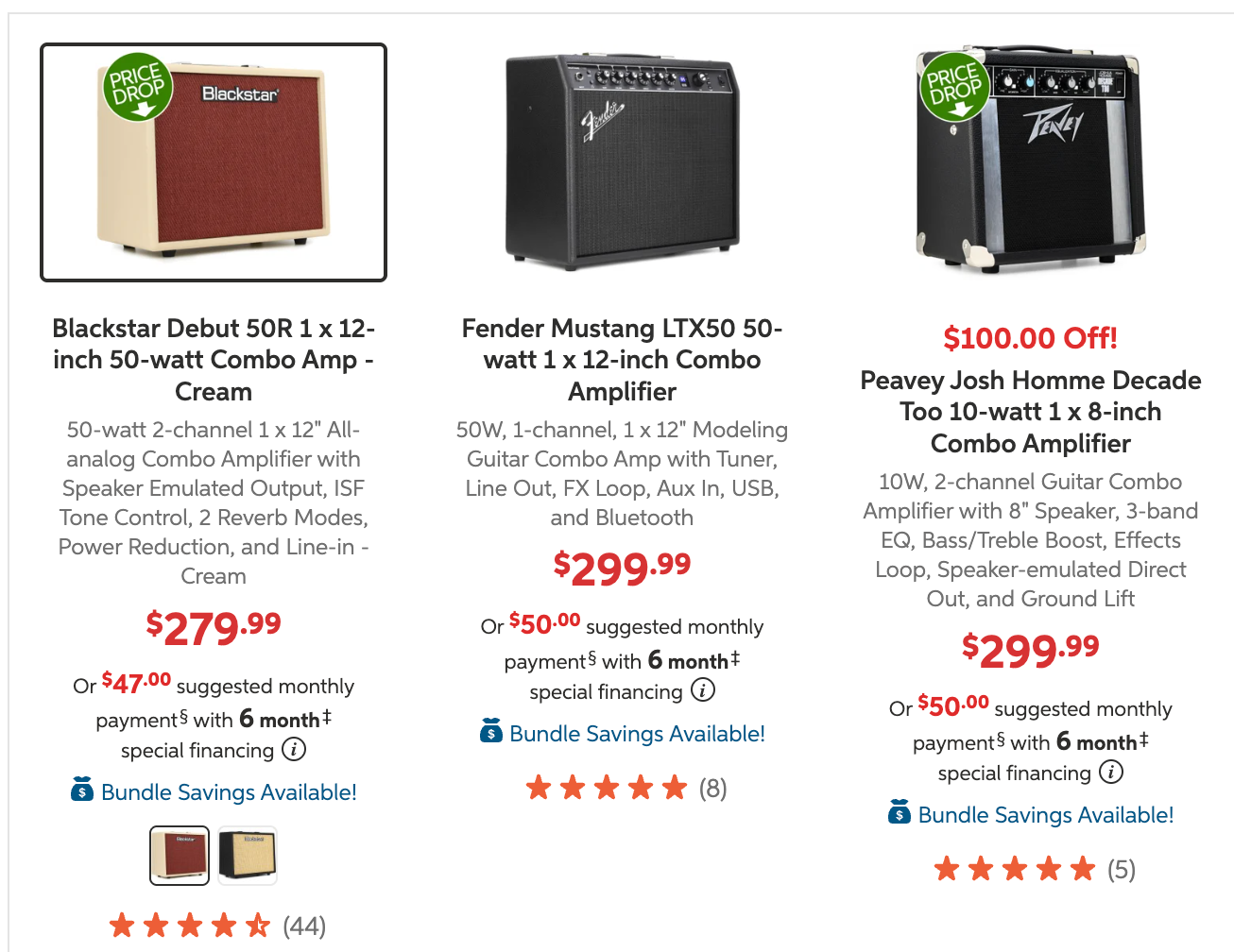
I don't even use a traditional guitar amp! I use a compact Fender Rumble bass combo. Running my Ampero into a bass amp gives me a clean power section, incredible dynamic headroom, and a physical speaker that pushes real air without coloring the top end prematurely.
Problem #2: Digital Fizz
Why Are We Still Talking About This in 2026?
I swear, people that still talk about digital fizz - which is a high-pitched, digital artifact sound that happens naturally in digitally recreated amp models - have never actually used an EQ in their life and it shows.
Make no mistake, this is a serious problem, especially if you play with modelers live. Just because modelers are cheaper than amps, and give you more options, doesn't mean that they're meant for beginners. You can very easily deafen audiences with shrill high-frequencies if you're not careful, especially in spaces where you might not get a dedicated sound-technician.
Knowing how to use your gear will always trump any new gear you could purchase, but not know how to use. If you want to delve into digital modeling, take the time to learn how real amps work, how they react to different play-styles and how best to pair them with pedals.
The Fix
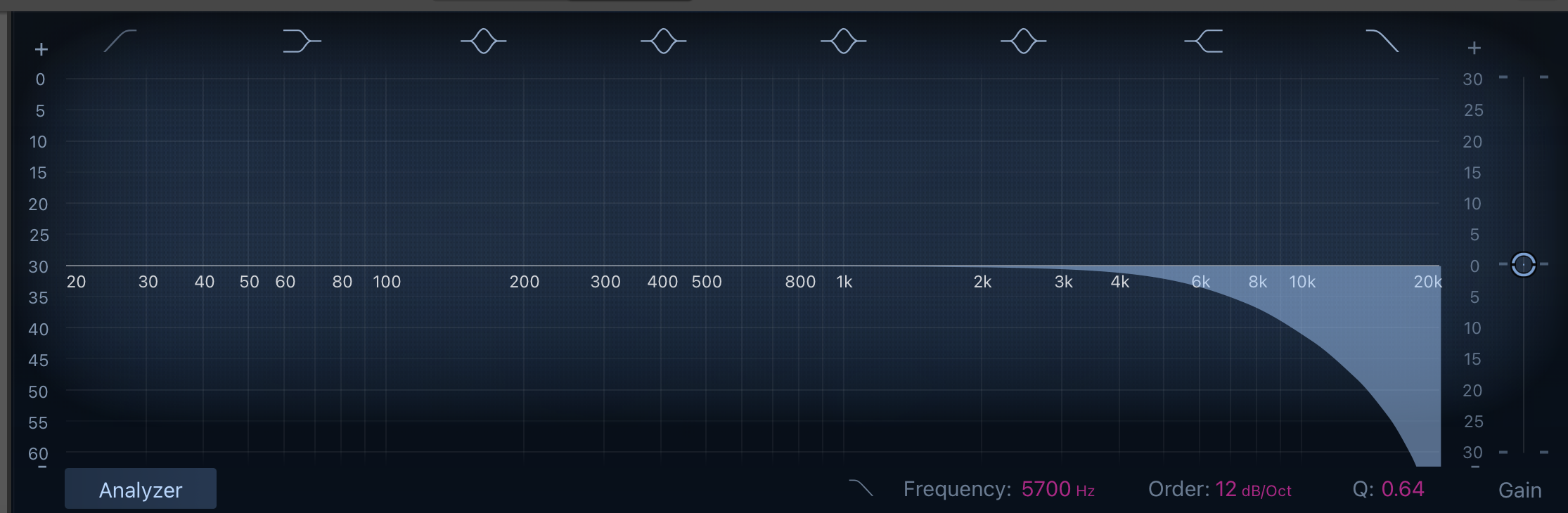
A high cut, otherwise known as a low-pass filter, literally that's it. Most modelers have a global EQ, or extensive EQ pedal options, simply place a high cut somewhere between the 4 kHz and 7 kHz range, 10 kHz if you play overtly clean tones, and literally that's it, digital fizz gone. Next.
Problem #3: Option Paralysis
So Many Amps to Choose From!
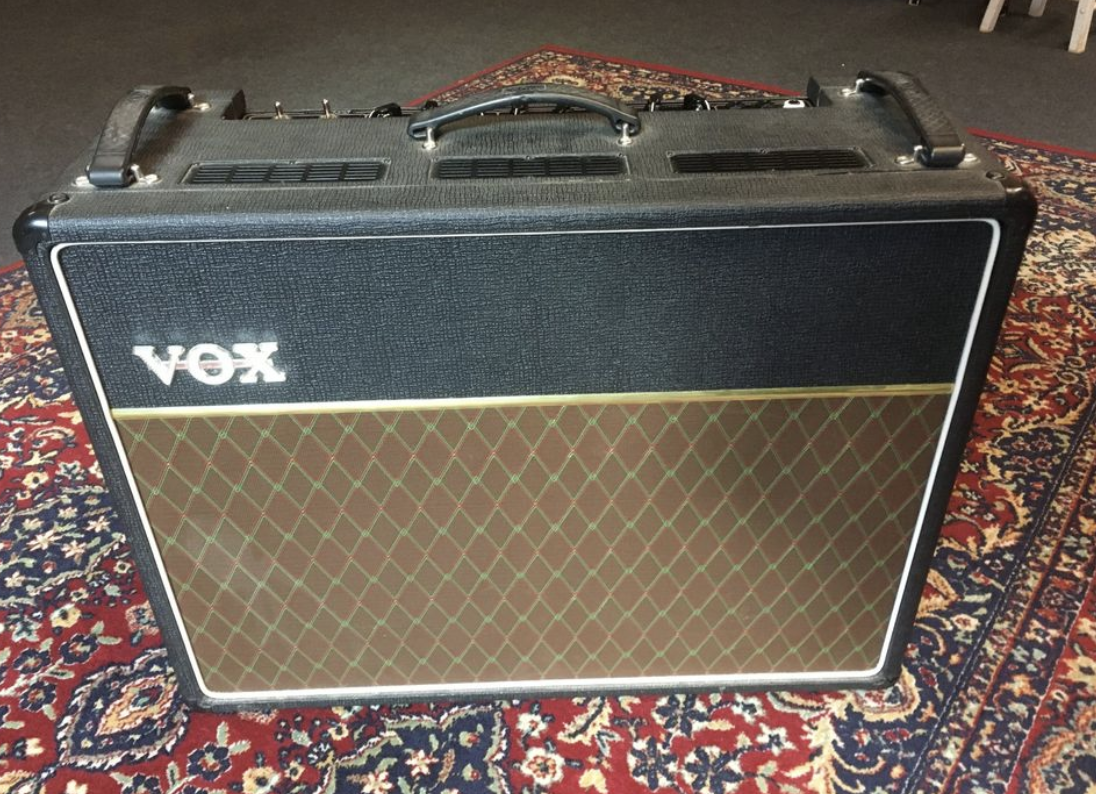
Traditionally, guitar players took years to learn their one amp. It's why you see guitar players rarely swapping out amps. In my case that was my beloved Vox AC30. Amps are organic creatures that react very differently depending on settings, signal chain placement, pedal pairings and even room ambiance. It's truly a magical feeling when you know your amp inside and out, and can get any sound from your head onto it.
Now imagine that workload of learning the amp, times 70.
My Ampero II Stage comes with around 70 amps models! This is an absolutely insane number of amps. Some of them I've never even heard of! And the thing is, amp modeling has gotten so good nowadays, that they are as deep as the real amps. The only thing that doesn't affect them is room ambiance, like humidity, otherwise, changes in EQ, placement and pairings will result in true-to-life reactions in your amp model.
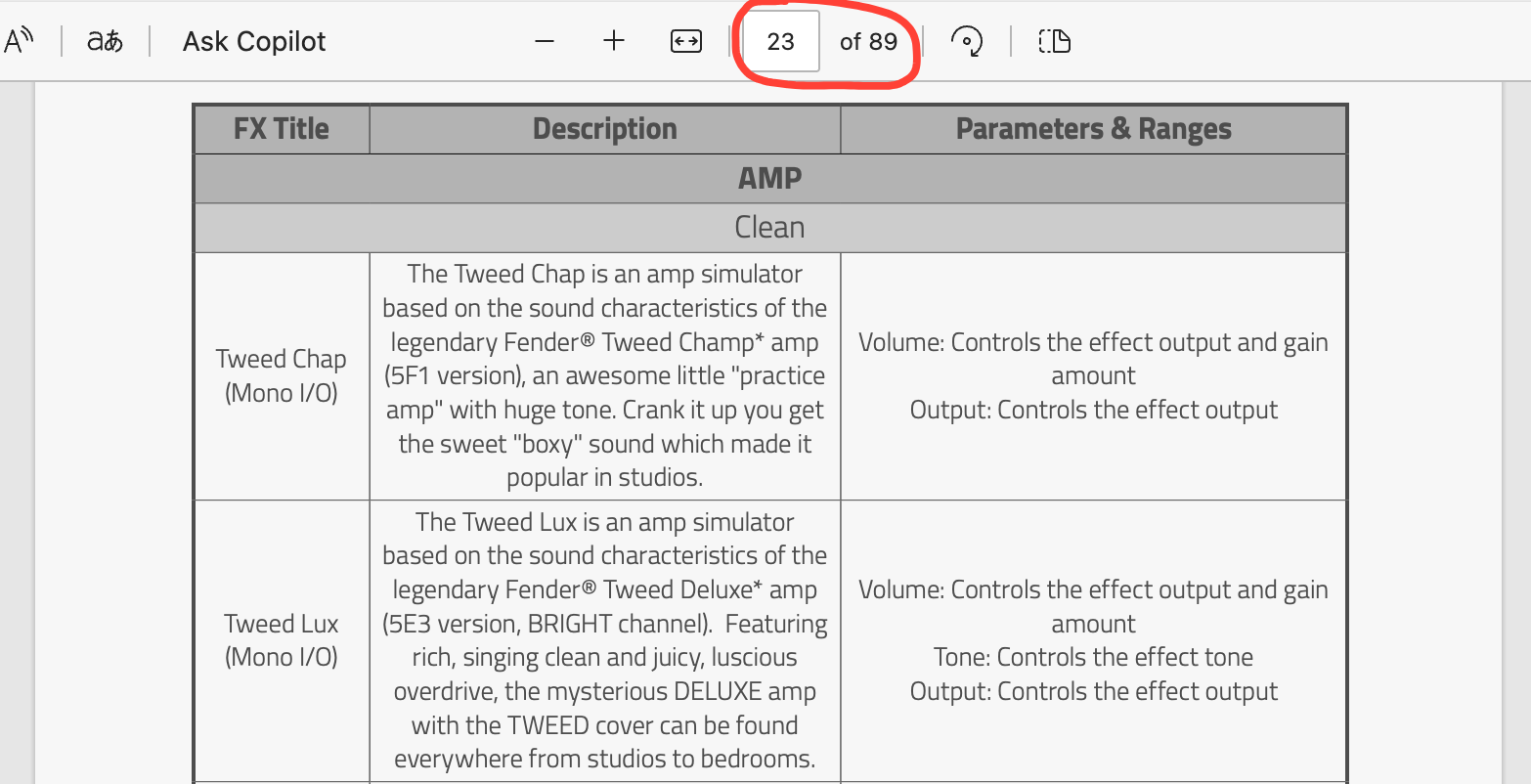
The problem arises when players, particularly new ones, take the fact that their modelers are crammed with these amp models as indication that they must use all of them, or they're not getting their money's worth. This couldn't be farther from the truth, and is actually a slippery slope I've seen many new players fall down on.
Instead of taking the time to make an amp model sound good, they cycle through the endless list of amps until they find one that sounds good for their specific scenario, like a clean part for example, but then when the song calls for more drive, they swap out the amp, resulting in a messy sound that they don't know how to fix.
The Counter-Intuitive Fix
Commit to using no more than two or three amps in your arsenal, and learning them deeply. Ideally they should be amps that you've used before, but this is not a requirement.
Amp models have gotten so good nowadays, that setting changes, placement and pairings result in true-to-life differences in sound. It's simply not feasible to learn how every single amp in your arsenal works.
My advice on how to pick the amps that you eventually choose, is to research what your favorite players play, because the sound in your head will probably be somewhat similar to that.
Conclusion
Modelers aren't a shortcut to avoid learning audio fundamentals, they are professional tools that reward smart setup choices. By managing your physical stage volume, applying global high-cuts, and curbing option paralysis, you get all the convenience of a modern digital rig without sacrificing live energy.
Do you have any more suggestions on how to get your modeler to sound even better? Let us know below!