How to Book Gigs as a Beginner Musician

So you've been practicing for two weeks, you've got the vocal and guitar or piano parts perfectly memorized, you got 100+ likes on a video of you playing the solo in Money For Nothing on Instagram, and your friends and family are starting to ask when you're going to start booking gigs.
You discover pretty soon that all that you've worked on, the technique, the feel, the accuracy, none of that bears any significance when you try to get in touch with a venue to see if they have any open slots. And the YouTubers like Marty Schwartz haven't covered this part of their musical journey.
Having been in this business for 12+ years, I can safely say I've learned a few things about booking gigs, even when moving to new countries like I discuss here
 Adam Khan
So today we're going to talk about how to book gigs, but before that, we need to understand what it is that venues want, what problem they need solved, and how to position yourself as the solution.
What Do Venues Actually Want?
Well, it depends! We could be talking about a jazzy speakeasy, a concert hall or a Mexican restaurant, but because you're probably in the very beginning of your journey, we're going to use the most common starting point for most musicians in the contemporary era of music: The humble dive bar.
Want a free comprehensive list of all the best live music venues in Ho Chi Minh City? Check it out here!
In the case of dive bars, they want a musician who might not necessarily be technically amazing, but that has charisma and energy to get a crowd rowdy and excited. This is pretty easy to do early on, especially when drinks are involved. Sign up for another article on how to structure a setlist to get a crowd going.
Why Should Musicians Start Their Gigging Careers in Dive Bars?
Because of three reasons:
- Community: Bars are the most socially connected venues in town, and it's a great way to build a local fanbase, of people who'll want to support you and potentially refer you to other bars and gigs! Plus you will inevitably meet other musicians who you might go on to play in projects with. The most important thing to remember is: Don't be that person that nobody wants to hang out with. Support the community you want support from.
- You don't have a niche yet: Bars a great way to discover what it is that people respond best about you specifically. This is huge not just because it tells you what you need to focus on, but because you can build a brand around it, make it your thing, and eventually book substantially higher paid gigs because you become the only person doing it. Find your niche and exploit it, but you'll only find it by playing often. I noticed early on in Vietnam that whenever I played Spanish songs, Vietnamese and foreign people alike stopped what they were doing to listen, so I niched hard into that. And it was the same in Portugal, but there I was the country guy!
- More Beginner Friendly: Bars are usually more beginner friendly because they pay less, so the expectations are less as well, they have smaller stages, the people there will generally be a little buzzed, which means they'll typically be in a better mood from the get-go, and it's also a great way to meet friends! I loved playing bars so much when I was first starting out in Spain, I forgot to collect my fee!
Finding your community, and through them finding your niche and getting out there and playing often is how most of us get started on this crazy ride. So now let's talk about how to get your foot in the door.
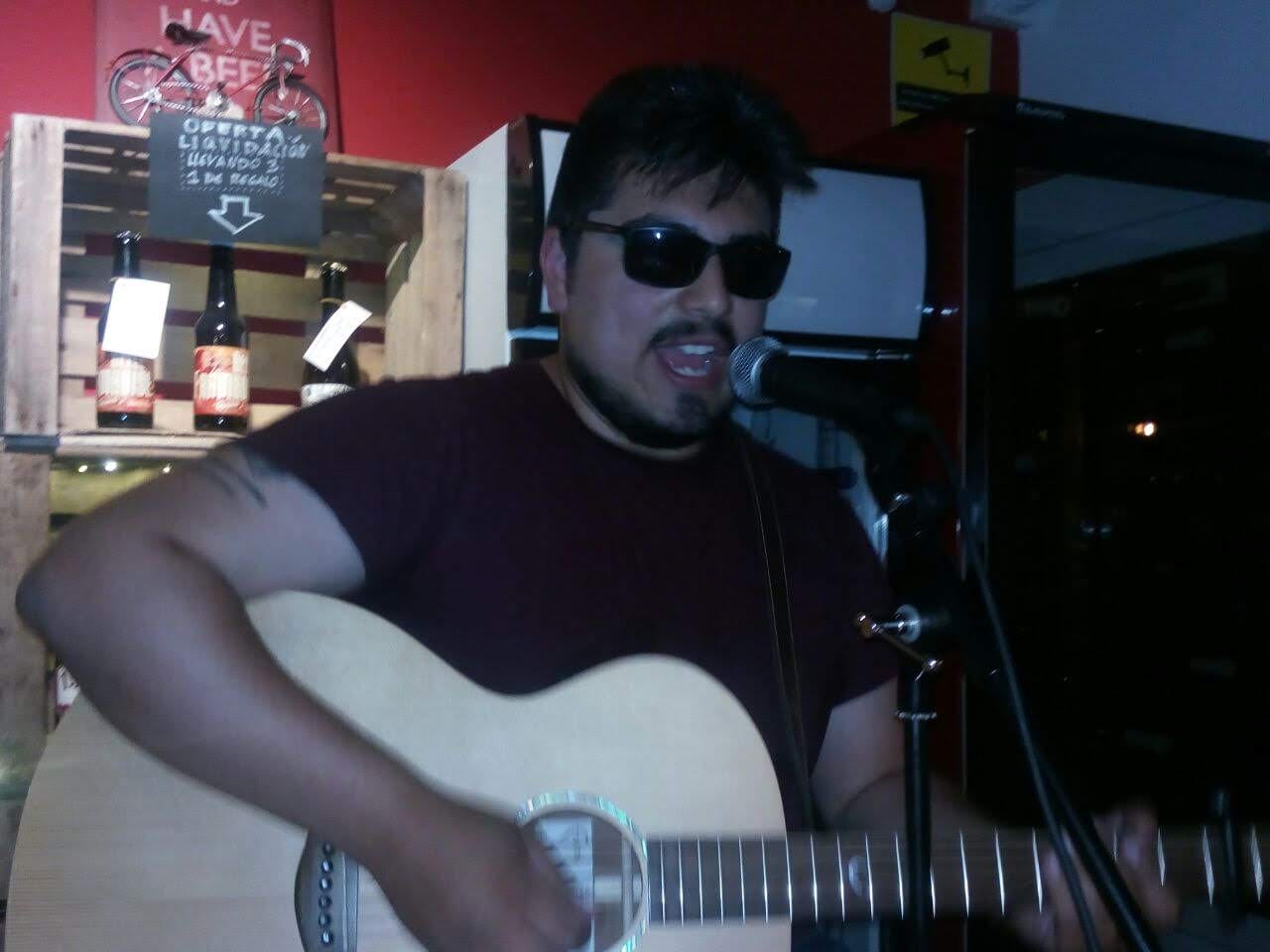
How To Book Gigs in Bars
Every bar works differently, some bars have very active social media profiles, through which you can text them and potentially arrange something right then and there, others don't look at it at all, and some bars you'll only book if you head there in person! Even if you've played there a bunch of times. The trick is to adapt to how they communicate.
Clean Up Your Profile, Then Reach Out
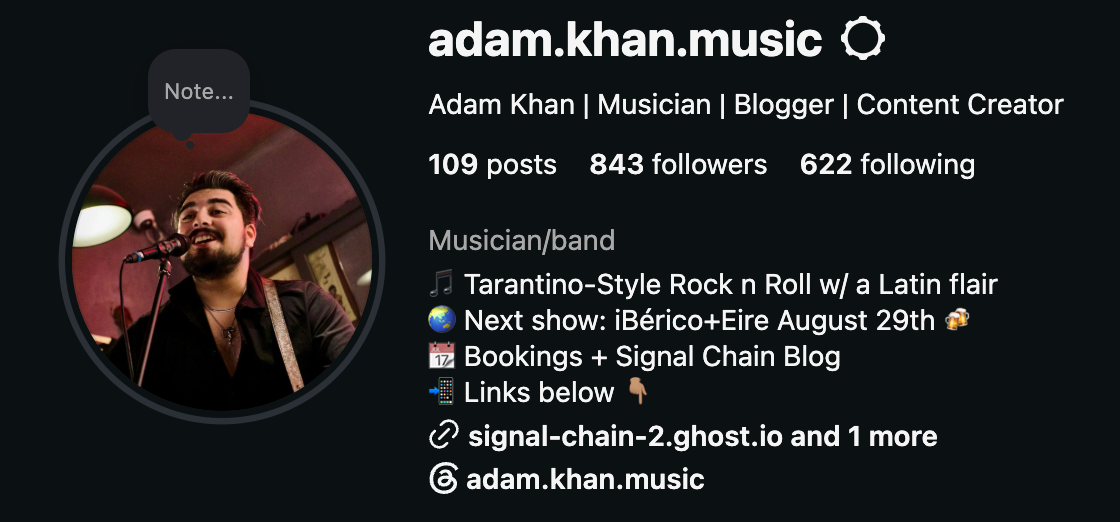
If they have active social media, and you want to go the route of texting them straight from Instagram or Facebook, you need to clean up your profile. Make it look like you're the obvious choice. A good musician's social media should at least have:
- A good profile picture, not necessarily of you playing music, but one that encapsulates the style you're going for.
- A good bio, that tells audiences not just that you're a musician, but what style and energy you specialize in.
- Ironically, posts that are music related but not necessarily of you performing, though sprinkling performance videos is good. Things like day-in-the-life reels, and gear rundowns make you relatable while still making the point that you're a musician.
As a beginner, you probably won't have these yet, but these are the absolute money-makers that you should prioritize getting:
- Audience reactions and interactions: This is what bars want. They want to see you make a positive influence in the room, make people have fun, stay longer, and consume more.
- Other gigs around town: This tells them that you are already in the scene, and are a safe choice.
- A link tree or a website of some sort, nothing too complex, something that shows that you've worked on making it easier for venues to discover who you are. Check out mine as an example.
Here's what you should avoid posting on your profile if you want to use it as a part of a system to book gigs:
- Bad quality videos of you playing in pyjamas or looking raggedy, this screams beginner. They might be good for trying to go viral, but it tells real venues, the people who will actually pay you money, that this is a hobby for you.
- Too many or only performance videos, even those that maybe should be kept in the benchmarking pile of what to improve. Think of this as a business account, you wouldn't see McDonald's posting about how they get their McNuggets to be that soft! Some grounded content is great, but don't make it the only way you engage.
- Completely unrelated content: Listen, I know a lot of us want to keep in touch with friends and family, and social media is a great gallery for them to check up on us, it's fine for the weekend warriors, but this is more for the people wanting to go all in on music. You need to have a profile that's exclusively dedicated to music, that doesn't mean you can't post life achievements, but the content you post on your profile should be used to demonstrate your brand. It's usually the first way musicians and venues get to know you, even if they say they've never heard of you.
These aren't hard-fast rules, but I guarantee that they will set you in a path of success if you stick with curating your profile. It's the type of thing that you won't see bear fruit until you play more regularly, people will start to know you as the niche you've chosen, and remember you based on your look, both online and in person.
Keep Track of Who You've Reached Out to and When
Here's where the line between music and business blurs entirely. I found that keeping track of when venue owners replied back, was monumental in pitching a gig at the right time and place for them. I noticed some venues reply on Tuesdays exclusively, others on Friday morning.
This was so big that I built a tool called Encore CRM specifically around keeping track of when I texted venues, what their reply was and when. Once you've tested the water and have this information available to you, booking gigs becomes a cake-walk.
Encore CRM
Specifically designed by and for musicians: Keep track of your pending deals, your monthly income and your pitch messages in a single, editable file.
This product is 100% owned and published by Signal Chain, and it's a tool that I use as a professional musician every single day.
When You Reach Out, Be Direct
When reaching out over social media or email, keep it brief, polite, and zero-friction:
"Hey [Venue Name] team! Love the vibe at your place on Thursday nights. I’m an acoustic performer playing a mix of [Genre 1] and [Genre 2] hits—tailored to keep the energy up while keeping volume conversation-friendly. You can check out a 30-second live clip and setlist here: [Your Link]. Do you have any open slots coming up in [Month]?"
Show Up, Have a Beer
If you heard of a bar from a friend that recommended you play there, but their social media hasn't posted in four years, then a visit is probably in order, the fact that your friend recommended is a good sign, it means that it's connected to the community.
Sometimes, just being part of the community is the best way to get your foot in the door. Supporting other artists' and bands will inevitably get you booked as well, support the community you expect support from!
Conclusion
Booking gigs as a beginner isn't intuitive, nobody teaches it, and naturally we don't know where to start! I wish there had been more guides like this when I first started out!
Here's what we learned:
- Before booking gigs, you need to understand what venues want: Typically it will be someone to brighten and entertain the room, but sometimes, it might be more ambient.
- Dive bars are usually the first option for beginner musicians because the expectations of greatness are lessened, people will already be happy, and it's just plain fun. You can't do something as hard as live music if you don't love it!
- Before reaching out on social media, make sure your profile looks sharp and professional
- Keep track of when and how venues wrote back to you: Link to EncoreCRM here
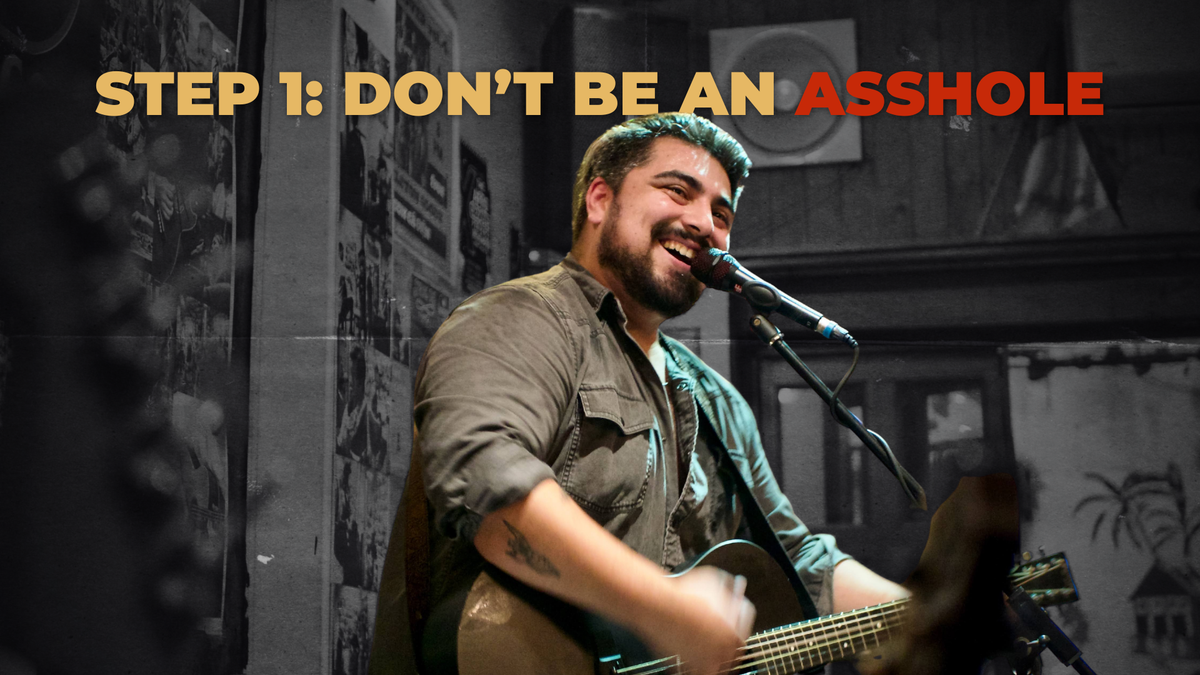
- Support the community! And don't be an asshole!
And that's that! Do you have any other tips for budding musicians? Write them in the comments below!