It's Not Just Your City | The Slow Death Of Live Music

Probably with the exception of Ed Sheeran right now, the arena style live music event is alive and well. Think of the Dua Lipas, Olivia Rodrigos and Coldplays. Ticket sales are not only up since the pandemic, but also exorbitantly more expensive.
With such a giant demand for live music, why are local venues all over the world closing their doors? At first I thought it was a Vietnam specific issue, but 2026 is proving to be the grim reaper of live music venues in Europe and Asia at least, and probably beyond.
| Year | Stadium / Megastar Average ($) | Local / Grassroots Average ($) | Divergence Factor |
| 2012 | $78 | $12 | 6.5x |
| 2014 | $92 | $13 | 7.0x |
| 2016 | $115 | $13 | 8.8x |
| 2018 | $142 | $14 | 10.1x |
| 2020 | $165 (Pre-Covid) | $14 | 11.7x |
| 2022 | $245 | $15 | 16.3x |
| 2024 | $320 | $16 | 20.0x |
| 2026 | $375+ | $17 | 22.0x |
I have a few theories as to why live music is becoming increasingly rare, and some ways we can potentially help these venues.
The Gentrification Paradox
Neighborhoods made popular and aesthetic by the artists that populate them routinely squeeze and price them out, this is something I see time and time again and it ends up morphing these same neighborhoods into identical, concrete and glass nightmares of modernist architecture.
Who would want to live in a place that isn't beautiful? The rich one-percenters move there for the wrong reasons, and then demand noise-level limits. And guess who the city is going to side with.
Cities often default to punitive measures like fines, shortened operating hours, or even revoked licenses, as opposed to protecting the cultural heritage that built the neighborhood’s value in the first place.
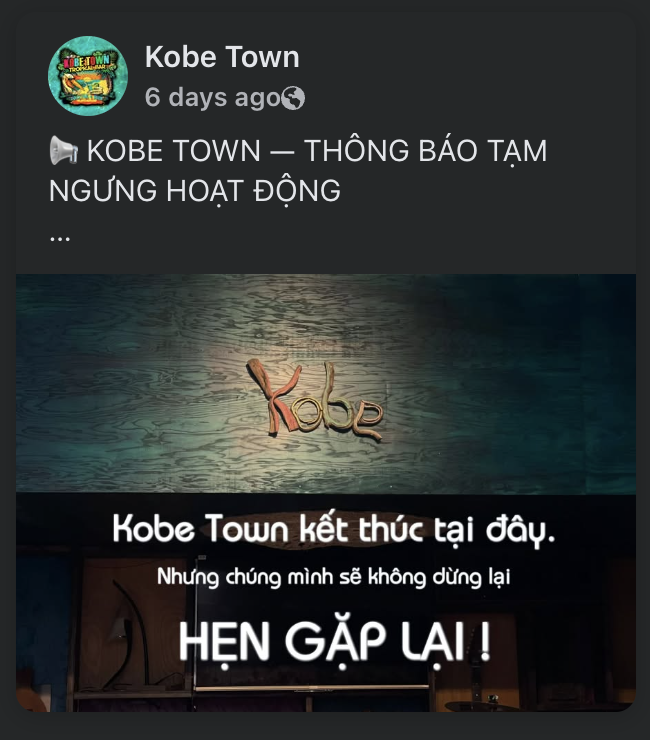
I'm in the middle of a little European tour, prompted by my best friend's wedding in Spain. I went to see if any of the venues I used to play at had any available slots. They didn't, because not a single one existed anymore. It's been 7 years since I last performed there, that is not a long time, especially when a lot of those venues had been open for 10-20 years prior.
Frictionless Entertainment

I'm writing this article in a bar called MySpot, an awesome live music venue in the iconic Nirvana Studios just outside of Lisbon, Portugal. It's where I started playing my original music, prompted by the band Gravity Trail's Strictly Original Open Mics. This place is the very definition of community, art and camaraderie... And it's closing for good on October 31st.
Local live music is now becoming more for live musicians than it is for general audiences. And the reason for that is digital convenience. If you could not only listen to music, but generate it using Suno or Udio, then what's the point of leaving the sofa? Some of you might reply that live music has a feeling that cannot be replicated, but the sad thing is that many generations in the future might not like live music... Because they never got to feel the difference in the first place!
Licenses and worker's wages have increased, while the price sensitivity to certain drinks has remained the same. This isn't the venue's nor customer's fault, but it is a reality.
The Wrong Type of Patriotism
We all know that person who loves their country because they have the best football team, the best army or the best food. But despite the fact that a large chunk of a country's culture is in their music, this area gets little to absolutely zero support from governments and also locals all over the world.
Think about it, how much funding do FIFA, and the army get? It's not only substantial, but also wasteful in most cases! While live music, arguably the most obvious sign of country's culture, gets nothing.
Be patriotic, be proud of your country's culture, not its military power or football ranking.
Potential Solutions?
Instead of generic advice like "support your local scene" or "ask the government for grants," here are some law changes that we can push for in local city councils all over the world, to keep scenes alive and well.
The "Agent of Change" Principle
- How it works: Pass laws stipulating that whoever brings about a change in land use is responsible for managing the impact.
- In practice: If a developer builds luxury apartments next to an existing venue, the developer must pay for high-grade acoustic insulation in the new building, rather than the venue having to soundproof or shut down.
The €1 Arena Micro-Levy
- How it works: A mandatory €1 surcharge on every ticket sold at stadium, arena, and major festival shows.
- In practice: This micro-fee goes directly into a protected Grassroots Cultural Trust that funds venue soundproofing, and minimum performance guarantees for independent venues and artists in that city.
Community Benefit Societies & Fan-Owned Freeholds
- How it works: Shifting venues out of the commercial leasehold trap by turning them into community-owned land trusts or co-operatives.
- In practice: Music fans buy micro-shares in the physical building (freehold). By removing private landlords, the venue's rent is locked at cost, insulating it permanently from real estate speculation.
Multi-Use Hybrid Spaces
- How it works: Venues redesigning their business model so they aren't relying solely on a 4-hour late-night drink window.
- In practice: By functioning as community co-working spaces, podcast studios, record shops, or daytime cafes, venues diversify revenue streams and become essential daytime neighborhood assets, making local councils less likely to shut them down.
Landlord Tax Incentives for Cultural Tenancies
- How it works: Cities offer commercial property tax reductions to property owners who sign long-term, rent-capped leases with verified live music venues.
Conclusion
I'm obviously biased in this movement, but why is it controversial to think of live music venues not as commercial bars, but as essential public infrastructure? Like libraries, parks or community centers?
The biggest danger facing live music scenes all over the world is that we take them for granted. Don't. We need active participation, protective laws and urban planning to support this sacred art that will become more demanded as the years of AI burns out younger generations seeking a release, and something impossibly organic.