Best Live Setup for Small Cafe Gigs

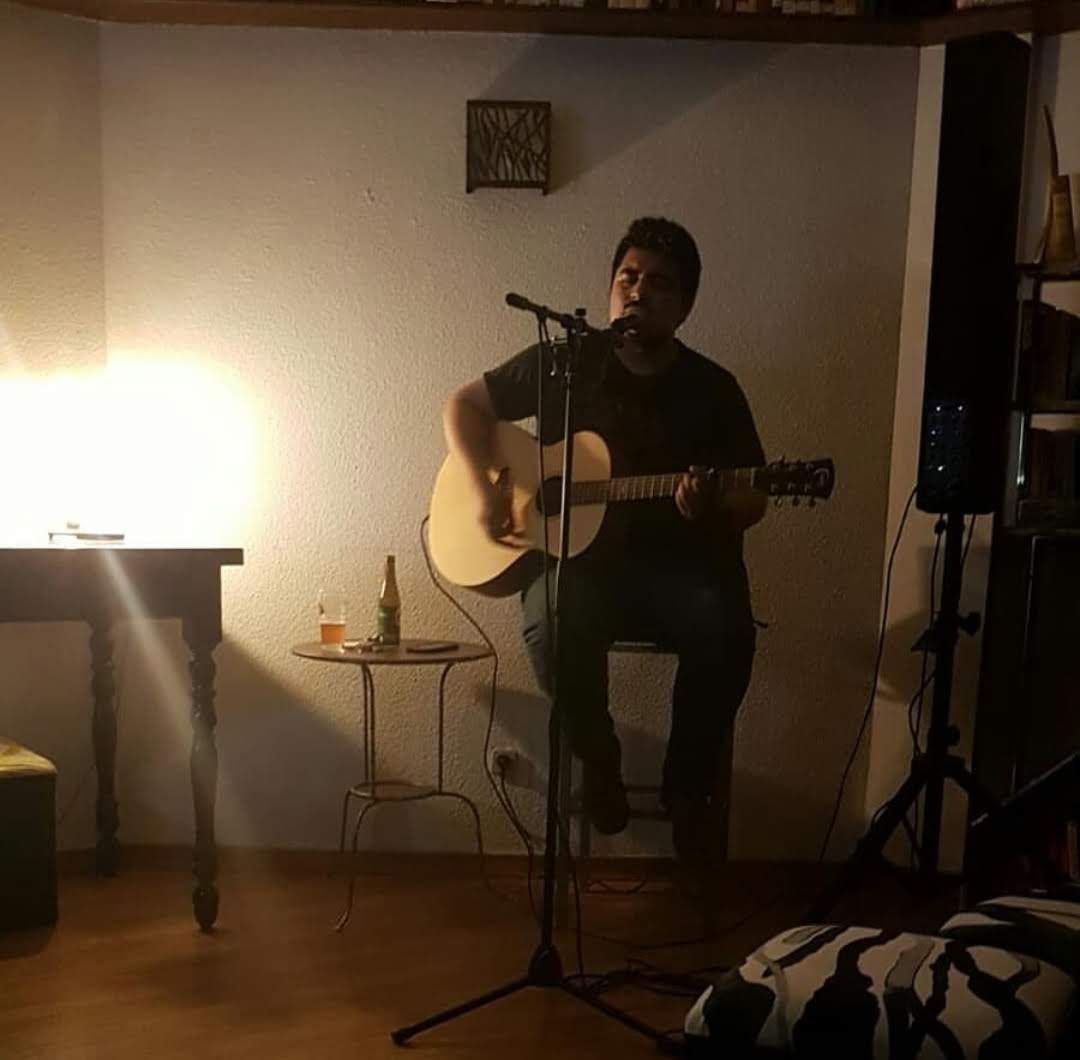
I find small cafe gigs more intimidating than regular, rowdy bar gigs, or massive high-production corporate events. The reason is that they are way more unpredictable, you never know what kind of gear they have, and in what condition.
So today we're going to talk about cafe gigs, and small gigs in general, and learn how they are won or lost on three factors:
- Footprint: Space is money in smaller venues, every inch taken up by the sound system is an inch less for the customers.
- Setup time: Some of the smallest venues out there require installation and tear-down after every performance. So efficiency is highly encouraged.
- Volume control: The secret to getting a PA to sound great is to crank it. The smaller the speaker, the less volume is required to crank it. See where I'm going?
Ideally, these venues should have a small acoustic amp at minimum, and a pair of small PAs with a mixer at best, with short cable runs and portability and simplicity in mind.
PA speakers vs. Acoustic Amps
So we know we need smaller speakers, but there are still lots of types out there. From small Boss Acoustic Singers to Fender Passports, how do you know which to get? That depends on your space.
What is a Portable PA speaker?
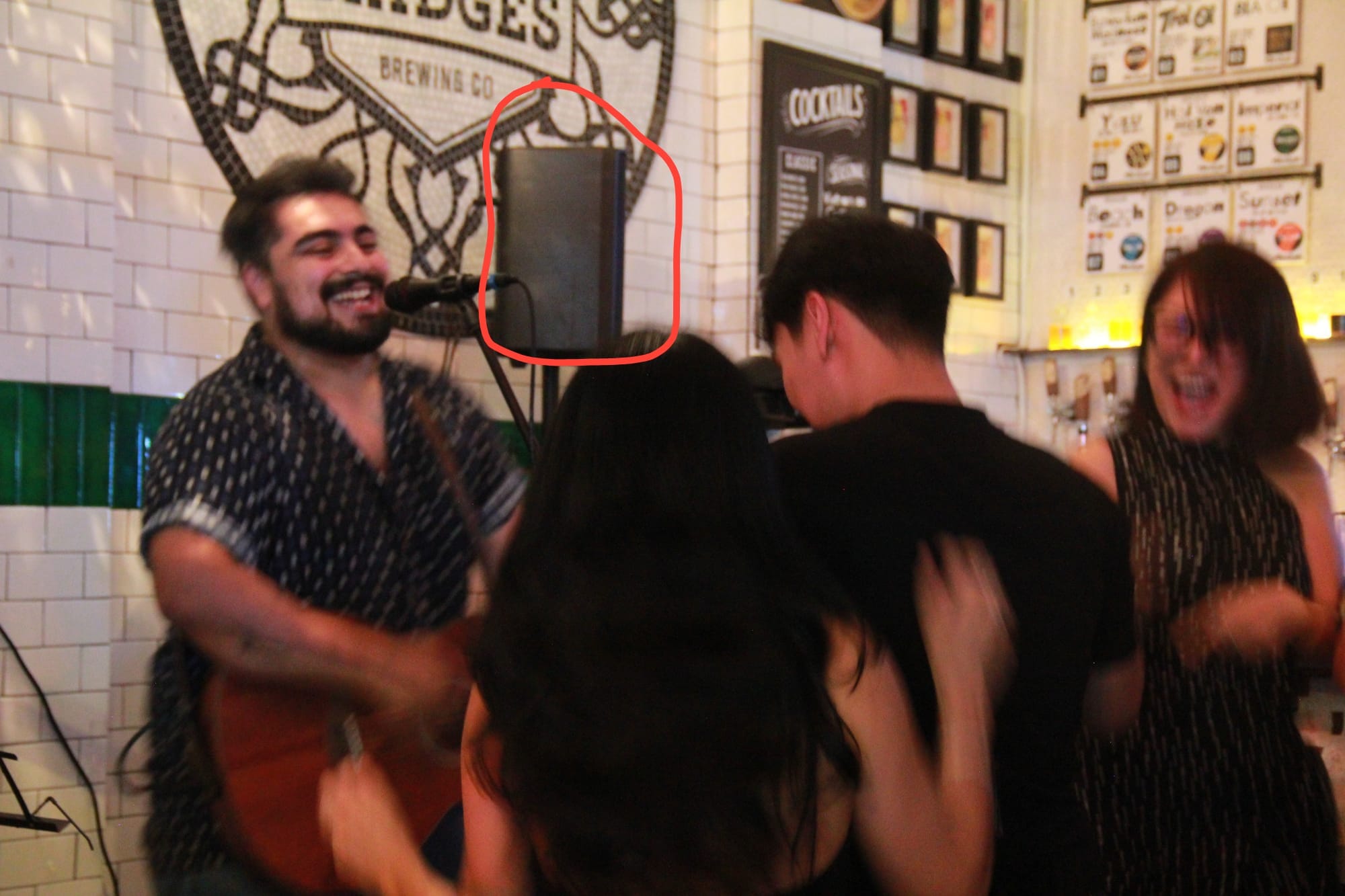
A PA (Public Address) speaker is a multipurpose speaker that's designed to work within a larger ecosystem of devices, included, but not limited to, a second PA, a mixer and subwoofers. The advantage these have over small acoustic amps is that they are meant to amplify sounds cleanly, without any sonic "colouring" meaning you can plug in literally any type of instrument, and hear it represented accurately. They also have a wider dispersion, and if you're looking at active speakers, can come with built-in mixers, Bluetooth control and can even be battery powered.
The drawback is that because they work best in larger ecosystems, they take up more space. Even smaller units that are designed to work completely independently will be larger than a small acoustic amp.
What is an Acoustic Amp?
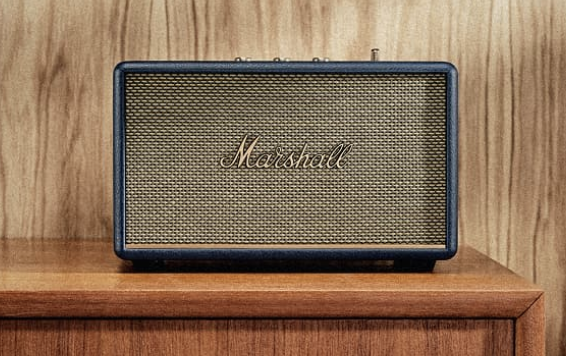
An acoustic amp on the other hand, is usually designed for guitarist / singers, and can rarely accommodate other instruments as well, such as pianos or bass guitars. They are simpler to set up as they generally have all the necessary ports on the speaker itself and most these days are battery-operated.
When to Pick Which
Pick a portable PA speaker if:
- You want long-term flexibility for adding more gear to your rig.
- Your space is ever-so-slightly larger and requires a wider dispersion, as these can sit on top of a tripod.
- The musicians you book will have different types of instruments, such as pianos or mandolins, not just guitars.
- You will book duos or trios.
Pick an Acoustic Amp if:
- Your space is truly minuscule and you need the best bang for your buck in terms of space.
- The sound dispersion isn't as important, it's acting more as a help to the performance than actually relying on it.
- The musicians you book will most likely be playing guitar and singing.
- You will book strictly solo performers.
Best of Each Type
Tiny PAs
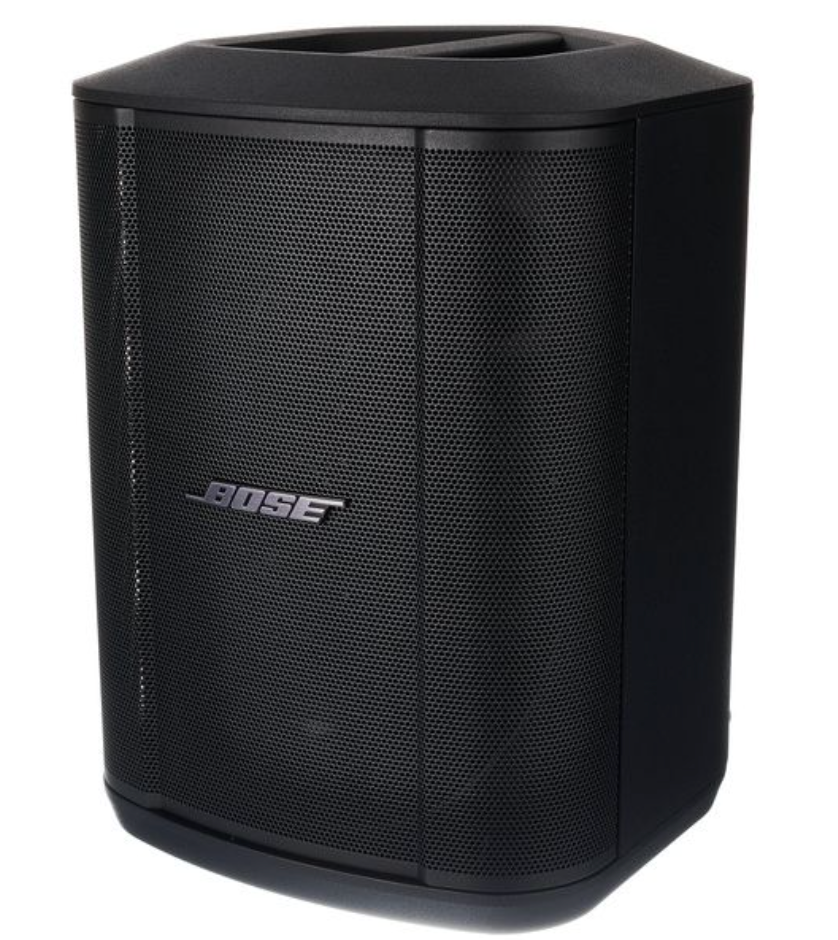
Best Overall | Bose S1 Pro+
One of the most common, battery-operated, small PA systems out there. Expensive, but sounds great and can single-handedly fill a mall, 25 person venue. It also has impressive wireless functionality, though at an added cost.
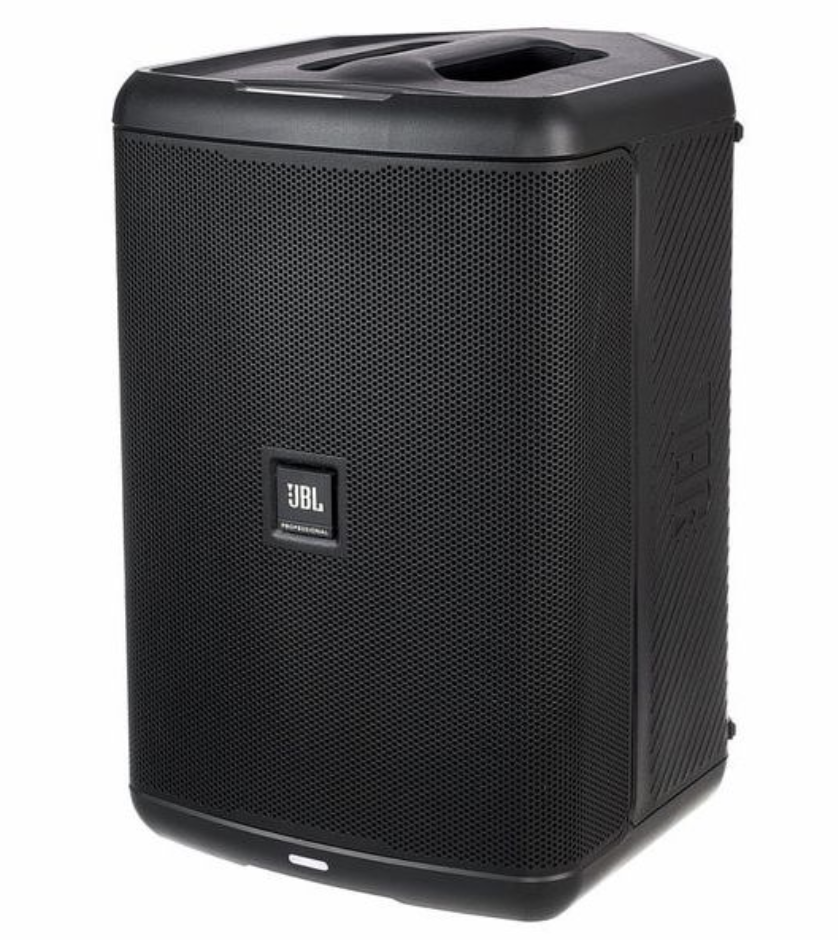
Best Bang For Buck | JBL Eon One Compact
Also very common, lightweight speaker. It sounds great, and is a little cheaper than the Bose
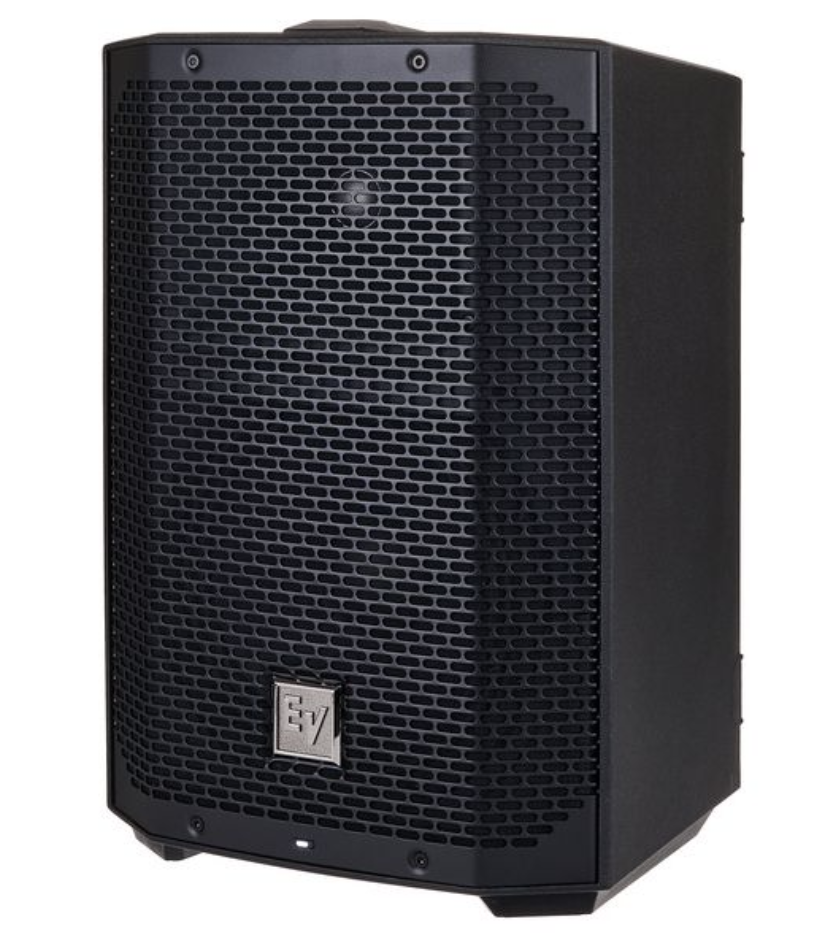
Money Is No Object | EV Everse 8
If you can afford to splurge, this unit is the best sounding tiny speaker money can buy. While it doesn't have integrated wireless functionalities like the Bose and JBL, it more than makes up for it in the sound department.
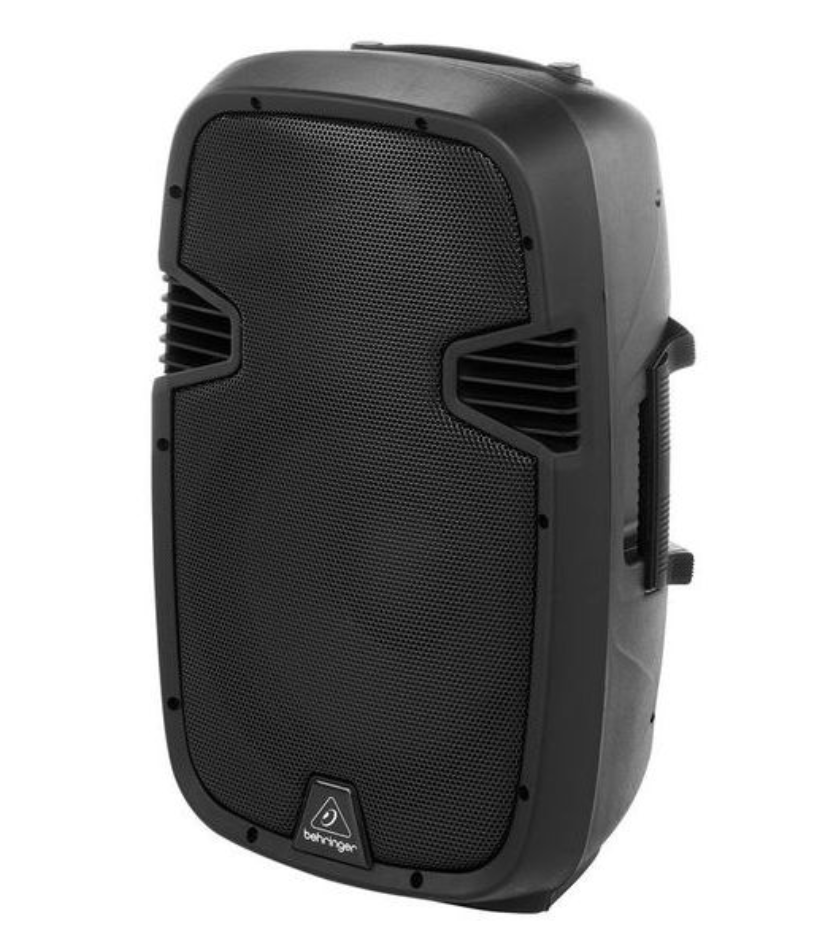
Absolute Budget | Behringer PK112
Super budget friendly, decently sounding speaker. Do not let the affordable price full you. This speaker is a work-horse.
Acoustic Amps
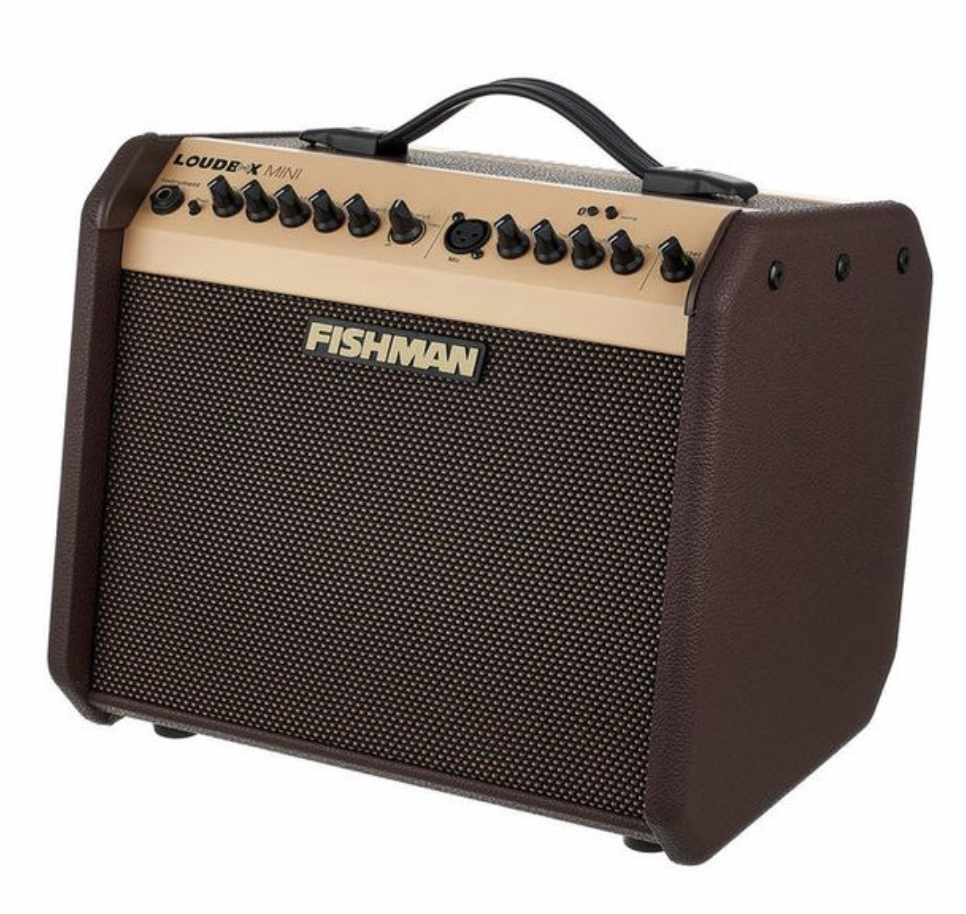
Best Overall | Fishman Loudbox Mini
This tiny work-horse is the perfect amp for solo singer and guitarists. It has two channels, bluetooth and sound great.
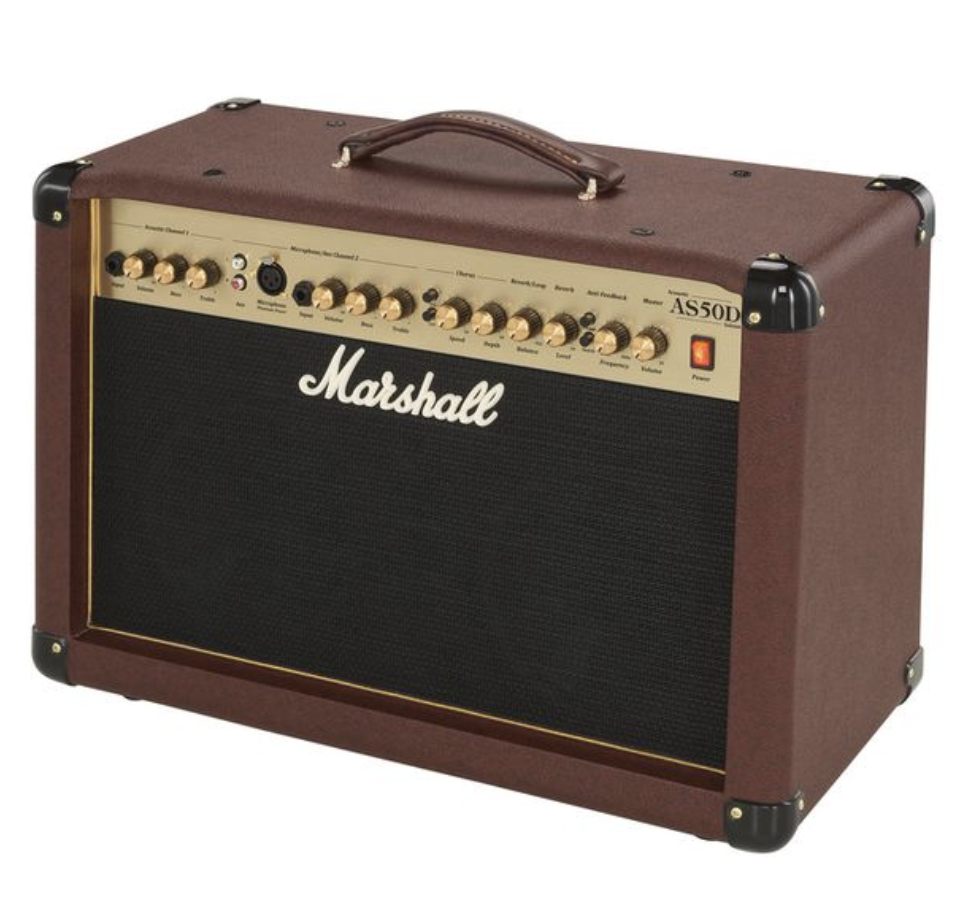
Best Bang for Buck | Marshall AS50D
This big and beefy boy has been the work-horse acoustic amp for many years, and you'll often find it in backlines all over Europe. It's cheap enough to find on a good deal and while simple in it's interface, it can outperform a lot of PAs if all you're looking for is a simple, two channel set up.
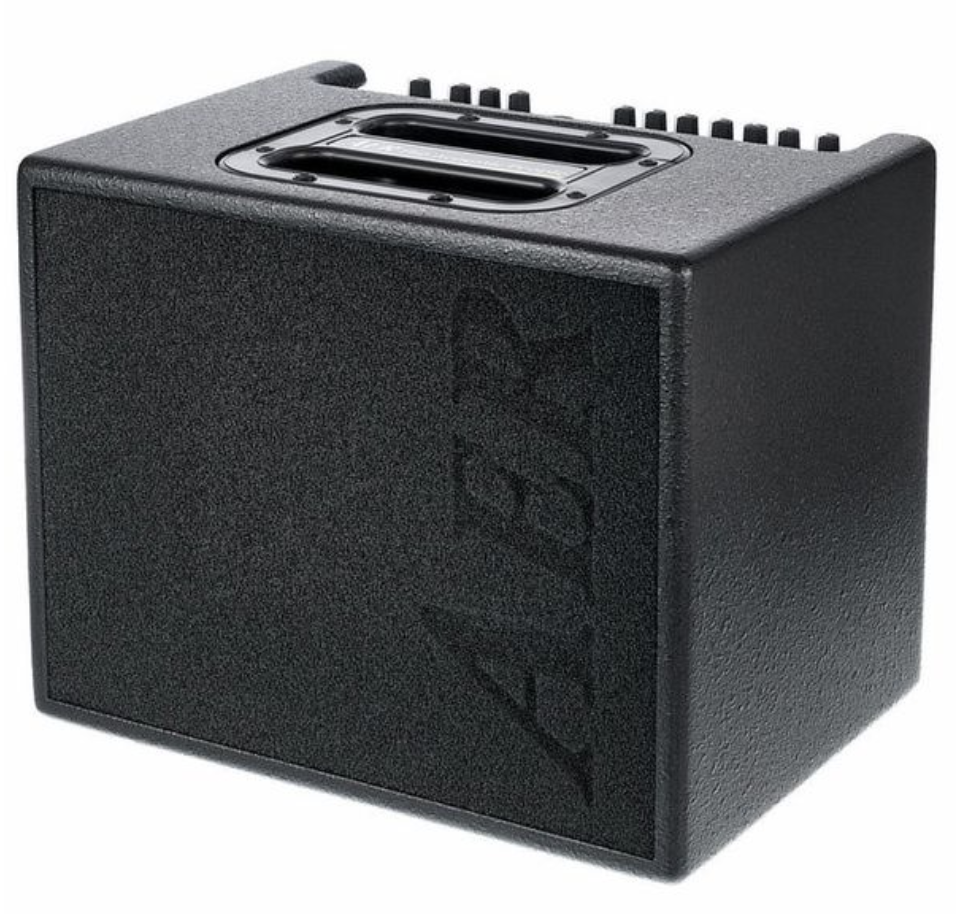
Money is no Object | AER Compact 60 IV
This expensive, and tiny piece of gear might seem ridiculous at first, but only until you've heard it live. Fun fact, I've only cried once while hearing a performance, and it was when my friend David from Spain played an original song through this tiny amp that completely rewrote what I understood an acoustic guitar should sound like in a performance. The sound this delivers is the sound that you have in your head that wishes to be heard. Trust me, if you can get this, get it.
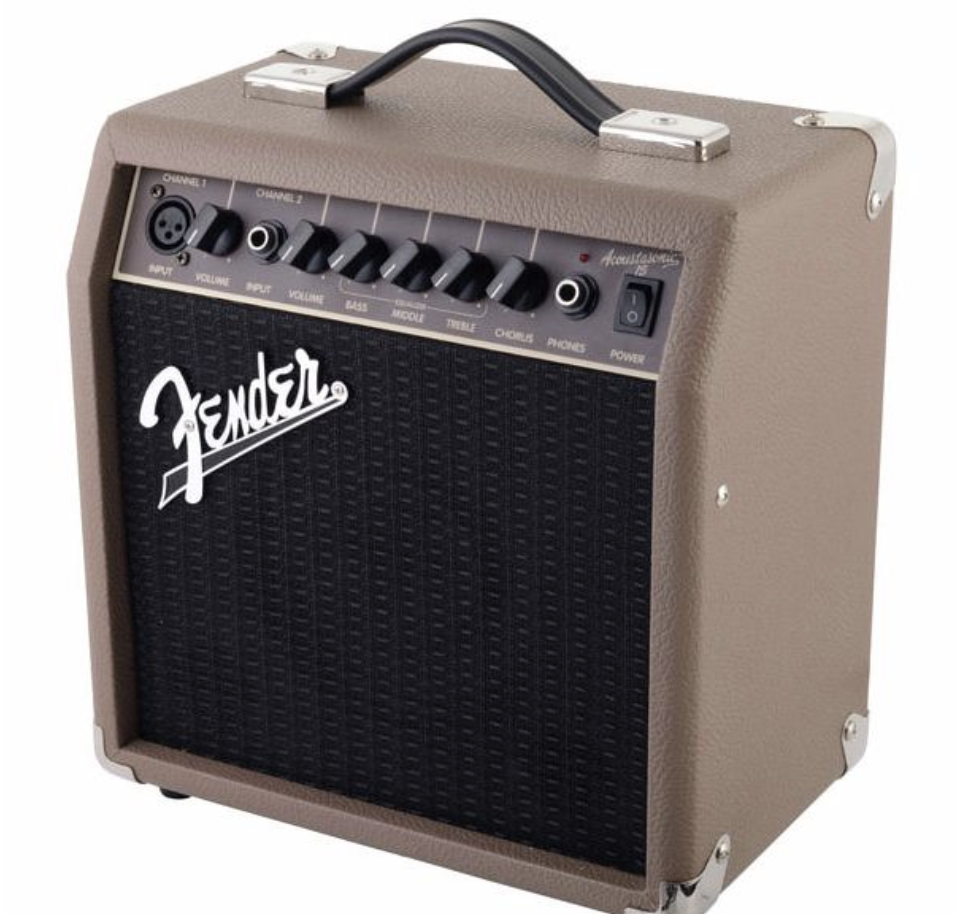
Absolute Budget | Fender Acoustasonic 15
Although you'd expect the entry from the big F to be pricey, this amp is the cheapest in the lineup, but there is a reason for it, it's also the most limited. It's generally considered a practice amp, but it gives just enough oomph to power through a very small venue.
How to Set Up Based on the Show Type
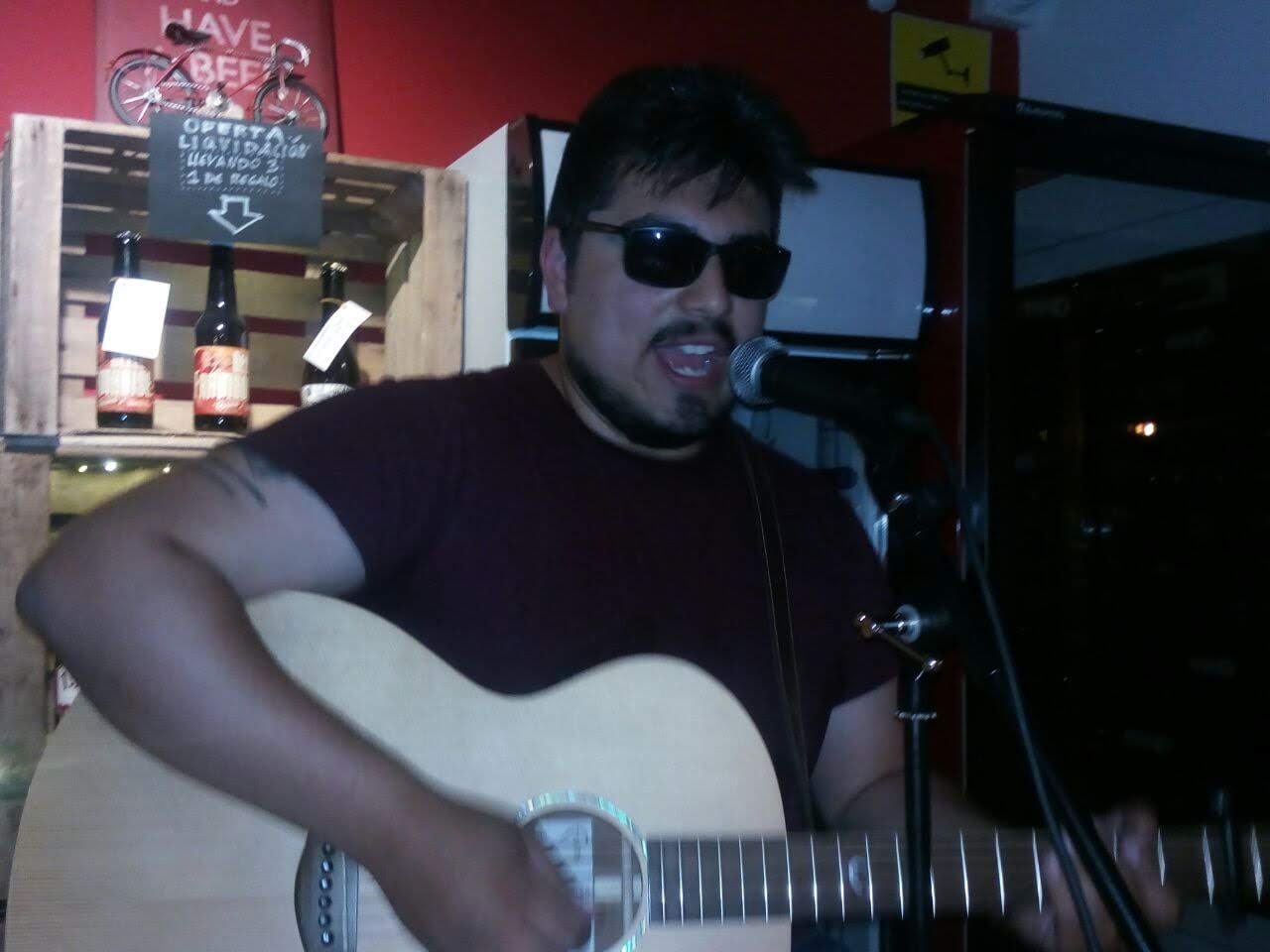
The Tiny Corner Solo Gig (Coffee Shop / Bookstore)
- Gear: 1 Battery-Powered Acoustic Amp or Single Compact PA (e.g., Bose S1 Pro+ or Fishman Loudbox Mini).
- Placement: Set the amp slightly behind the artist and to the left/right on a chair or tilt-back position.
- Why It Works: It acts as both your front-of-house PA and stage monitor, keeping cable runs down to just the guitar and mic leads. Total setup time: 5 minutes.
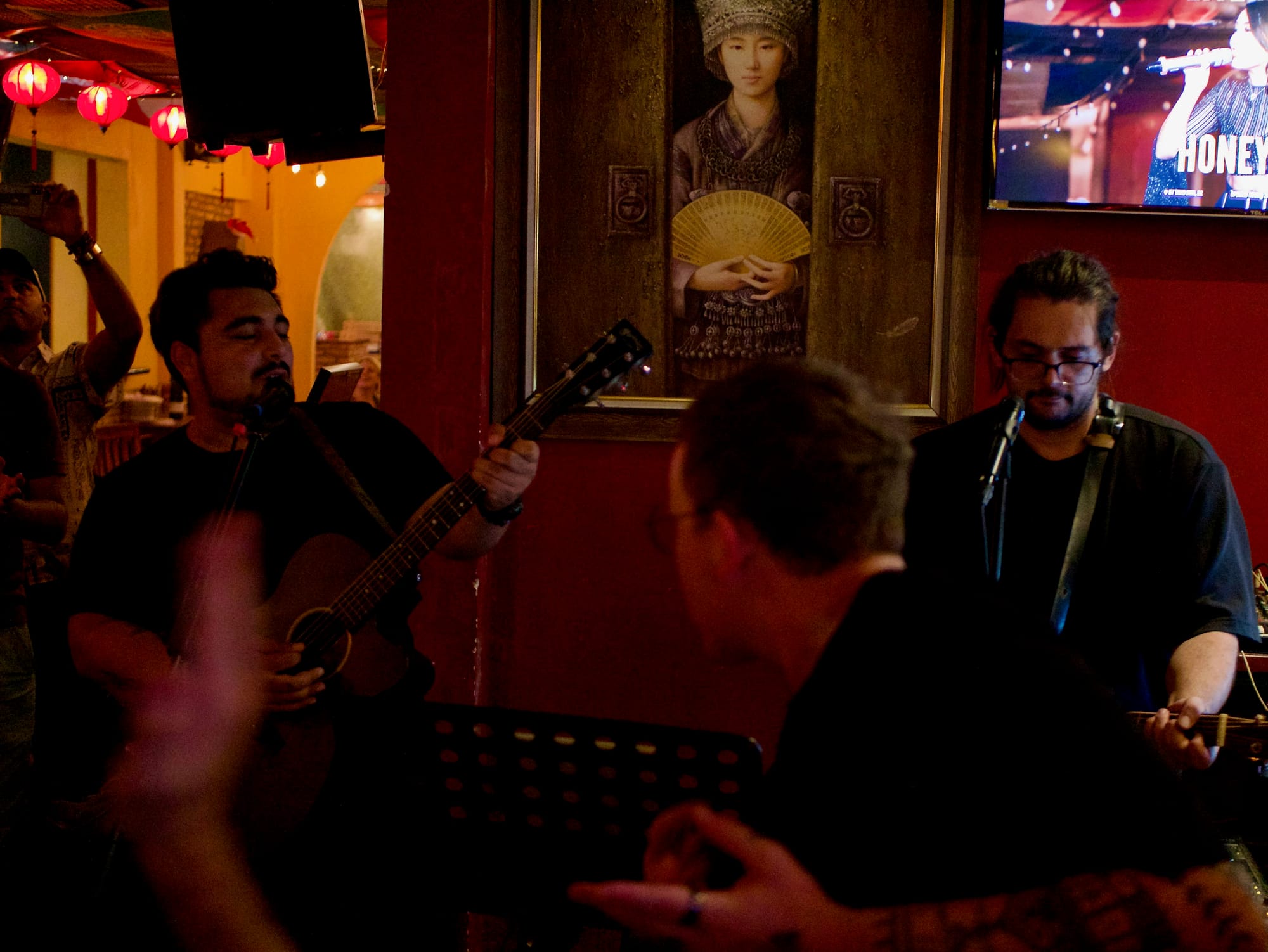
The Acoustic Duo (Small Patio / Craft Beer Bar)
- Gear: 1 Compact PA with 4 channels (e.g., JBL EON ONE Compact) or 1 Small PA + 1 Compact Mixer.
- Placement: Mounted on a single speaker stand behind the duo, angled slightly between both performers.
- Why It Works: Covers both vocals and both instruments through a single speaker point without requiring two separate monitors.
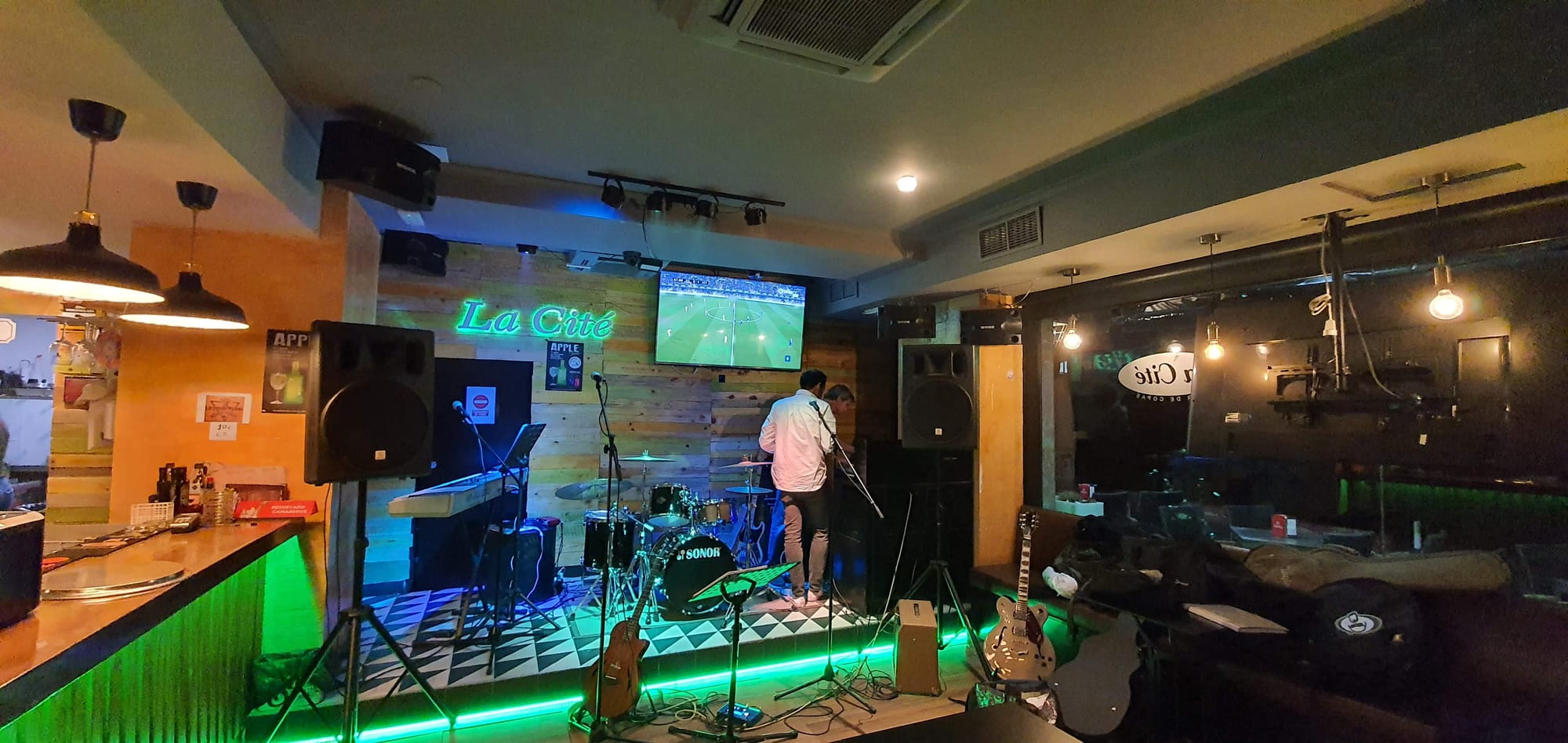
The Unplugged Trio or Lounge Vibe (Bigger Cafe / Bistro)
- Gear: 2 Compact PAs on tripods + External Small Mixer (e.g., Yamaha MG06X).
- Placement: Speakers elevated left and right in front of the act, with the mixer sat right by the main performer for fast adjustments.
- Why It Works: Provides wide stereo dispersion across a wider room at lower overall volumes, so customers near the stage aren't overwhelmed while people in the back can still hear clearly.
Conclusion
Prioritize mobility and control over sheer power. A clean 20-minute setup leaves you relaxed before your first song. Not to mention does wonders to your back.
On a personal note, I enjoy talking about these smaller PAs and amps way more than the typically large and cumbersome ones, because realistically, we as local musicians are playing local venues anyway, so being able to take your entire rig with you is a lot more fun. Not to mention that they can be used as monitors once you do reach larger stages.