Why I hate the Shure SM58 (And 3 Better Mics for Baritone Singers)

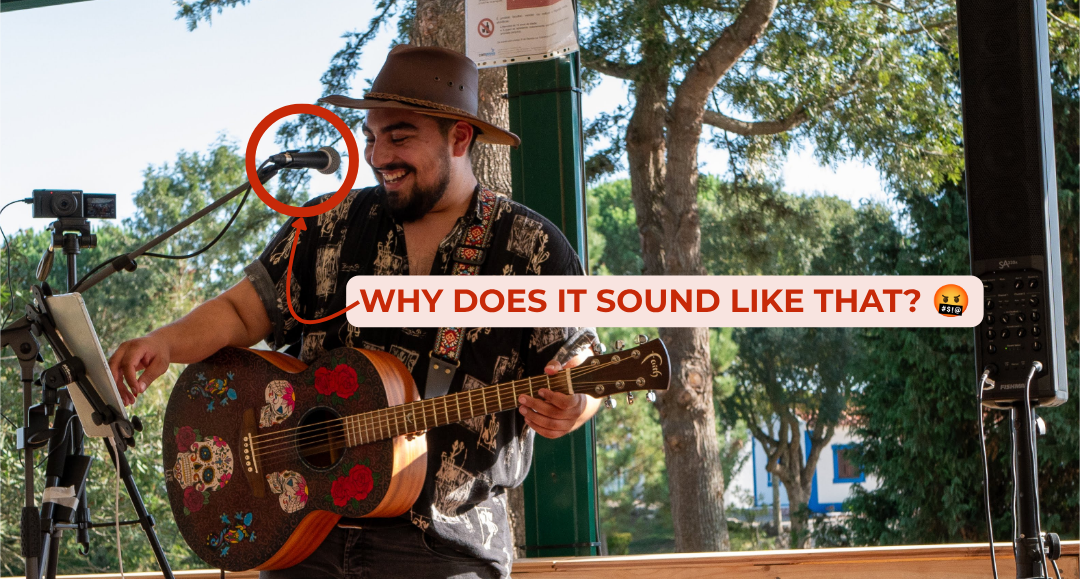
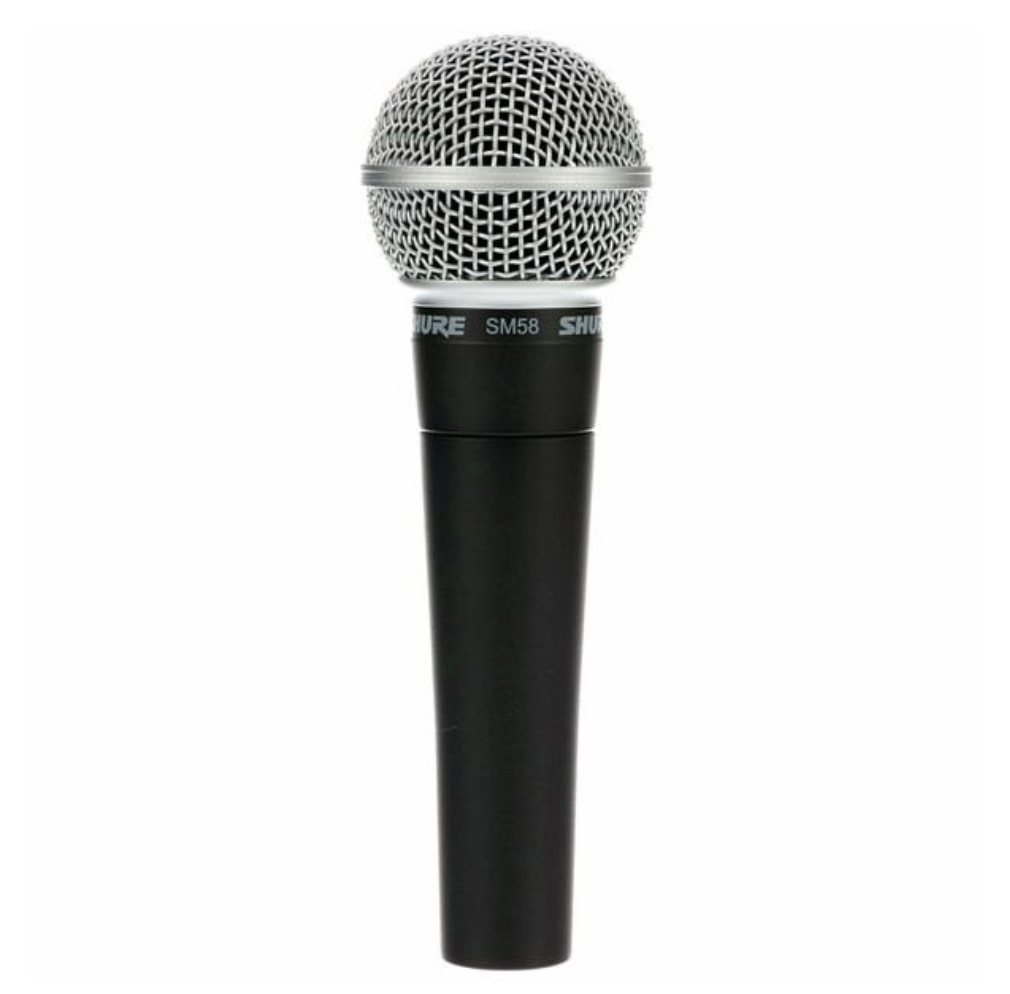
If I could ever be accused of writing a clickbait title, it would be this time. But I really do mean it. I hate the Shure SM58.
For all the hype this microphone draws, and all the recommendations it gets for professionals and beginners alike, there are a few problems with it that have been solved not only by other manufacturers, but by Shure themselves in newer models. So today we're going to talk about why I think you're better off spending your money elsewhere.
But first, let's discuss what makes this microphone so ubiquitous. Because having owned two, I can definitely tell where it continues to outperform, even 60 years after its first production run.
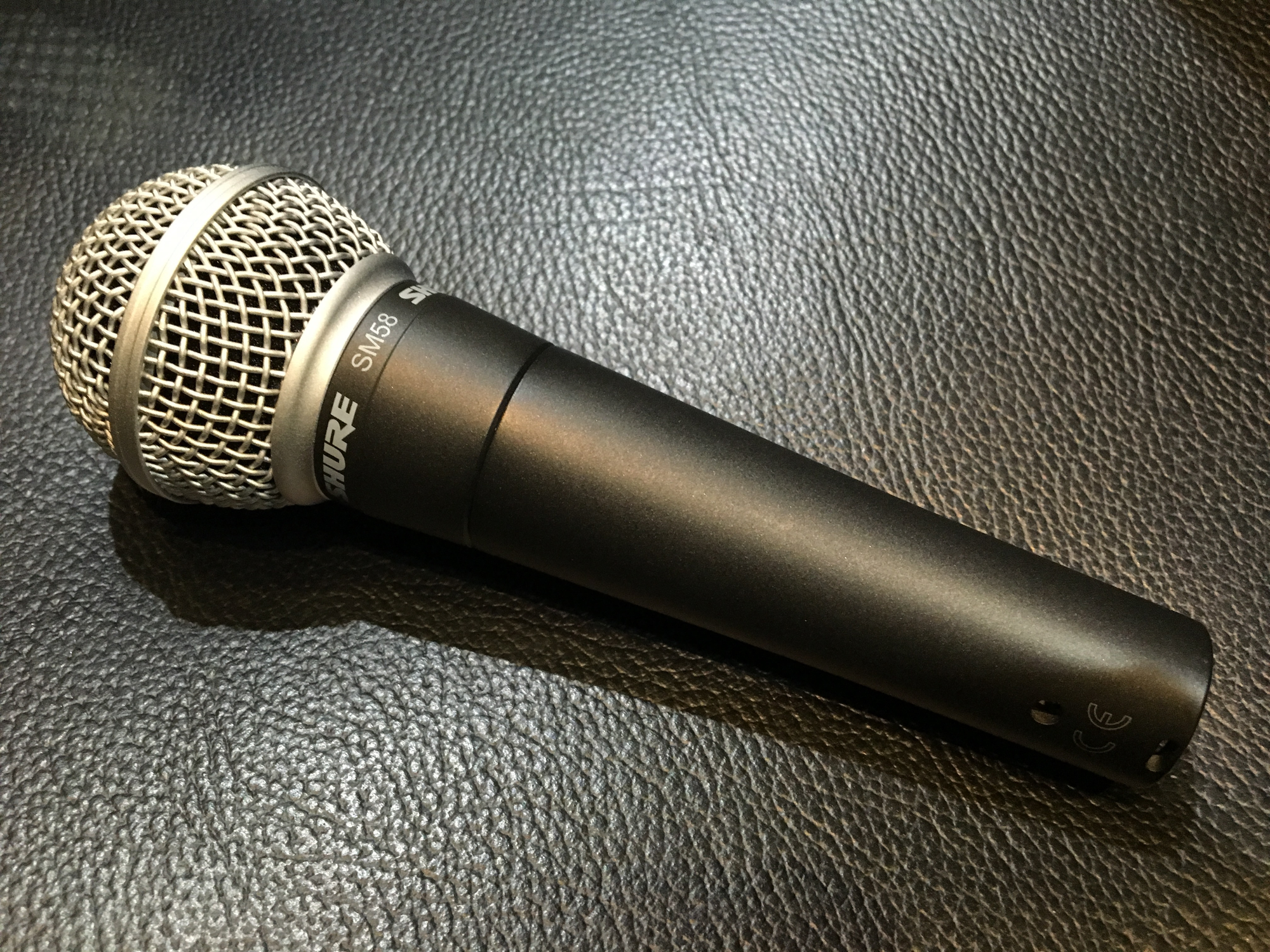
Why You See It Everywhere
Watch any live music video from the 1960s all the way up to the present era, and there's at least a 95% chance the singers will be using an SM58. From Jimi Hendrix, to Fleetwood Mac, Journey to Mötley Crüe; and there are definitely good reasons for that

Invincible
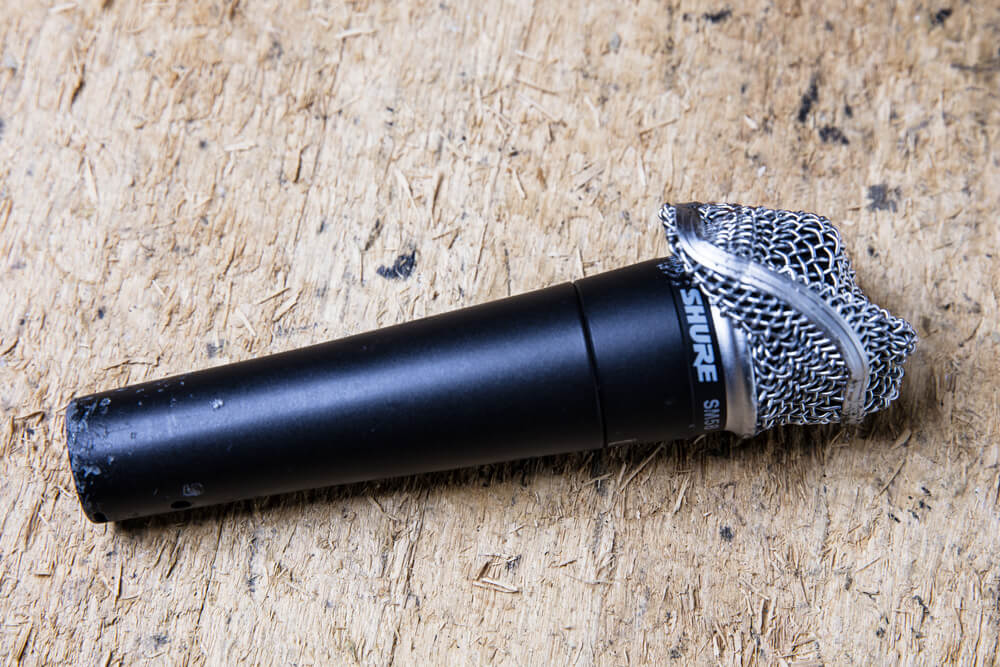
The running joke around these microphones is that they are virtually indestructible; they are the Nokia 3310s of the music world. And it's true, I've owned a couple and they seem to be built to withstand a nuclear explosion for some reason.
The only reason I owned a couple was because I'm obsessed with having spares, so if one did ultimately die mid-gig, I would have another one. Neither of them ever let me down though.
Great Sound... At the Time
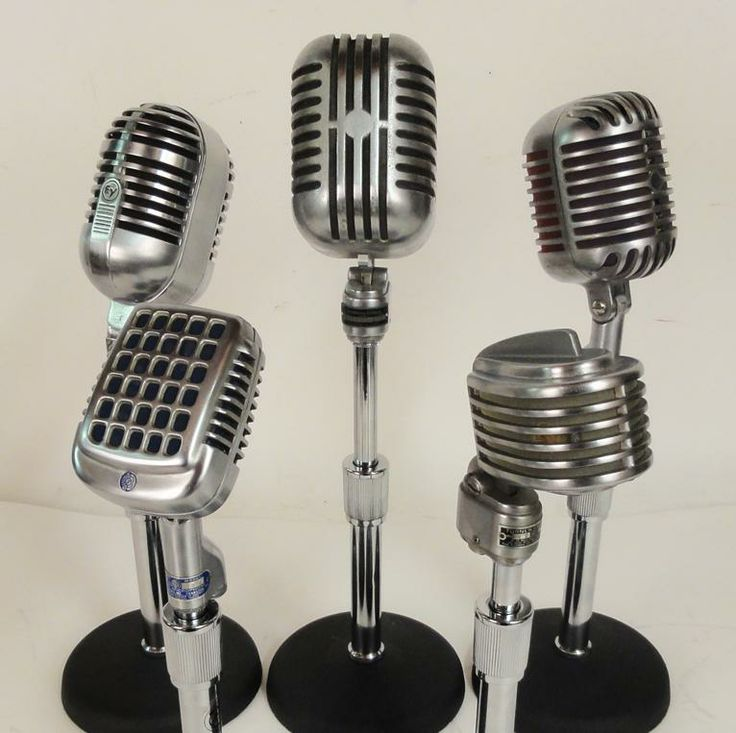
Back in the 1960s, most microphones were designed for instruments, full-stop. Microphones that were designed for vocals were meant to handle narrator volumes, so when singers sang through them, they sounded either tinny or overblown. Enter the Shure SM58, which was expressly designed for recording vocals (keep that fact in mind for later). What that means is that it delivers a signal that is more pleasant, bassy and natural-sounding than microphones of the time.
Repairability
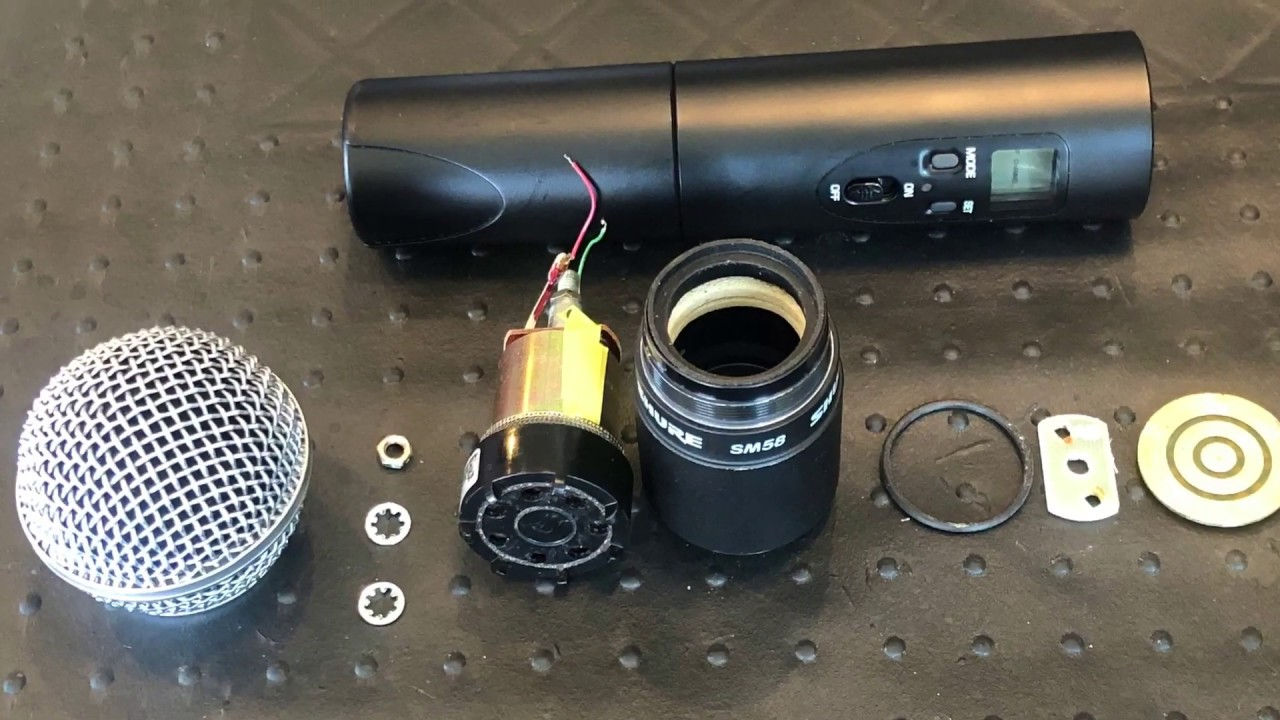
For the same reason you'll see some guitarists today build their pedal-boards fully out of Boss pedals, you'll see singers choose SM58s, because there are parts for these devices everywhere in the world, and at all times. There are lots of third party case and grille manufacturers, and you can very easily get a replacement capsule for them too. Dynamic microphones in general are substantially hardier than condensers, and when they do break, they're cheaper and easier to repair.
A Great Jack-of-All-Trades
Simply put, SM58s are good for multiple scenarios. You'll not only see singers use them. It's often the default choice for MCs, content creators and even room installations. They truly are everywhere, and I'm sure that if prior to reading this, you didn't know what this microphone was, you'll start seeing it everywhere.

It's Cheap
Throughout my entire career as a musician, the SM58 has always been accessible. You could always get one for less than 100 Euros and they're very easy to get on deals as well. They're everywhere. I think it's only recently crossed the 100 Euro mark
So Why Do I Hate It?
With so many things going on for the SM58, you'd think I'd have stopped the review here, but some of the things that make it great are actually what I don't like about it. Starting with:
The Sound
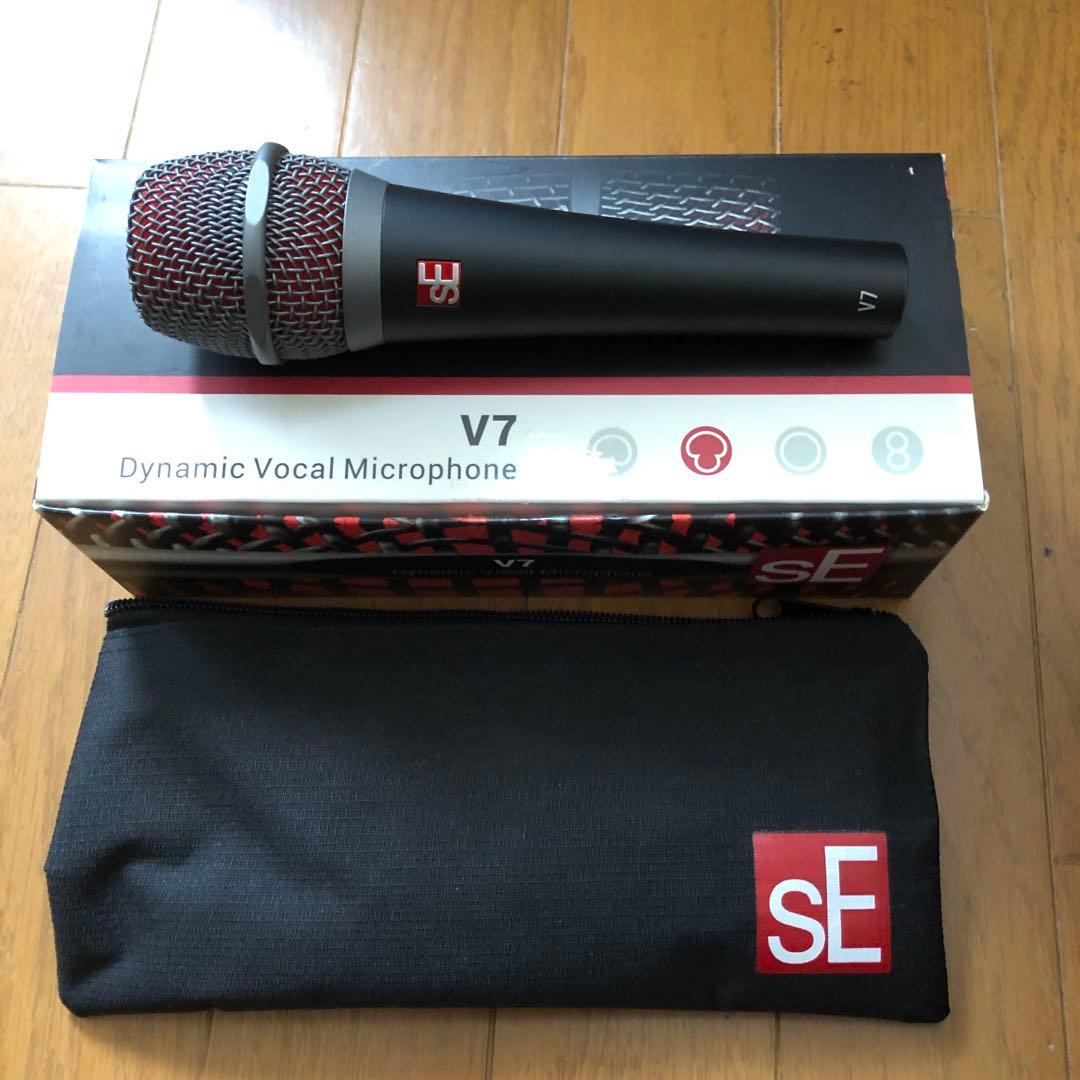
This is the main reason I don't own one anymore. In the 1950s, the SM58 was hands-down the best mic out there. But nowadays, so many brands have popped up with incredibly updated capsules, designs and features that adapt better to the modern, day-to-day musician. Microphones like the Sontronics Solo, Sennheiser e835, or my personal choice: The SE Electronics V7.



Photos: Left To Right: Olivia Rodrigo, Billy Gibbons (ZZ-TOP) and Chris Stapleton, all using a more modern SE Electronics V7 dynamic microphone.
The Cardioid Pattern
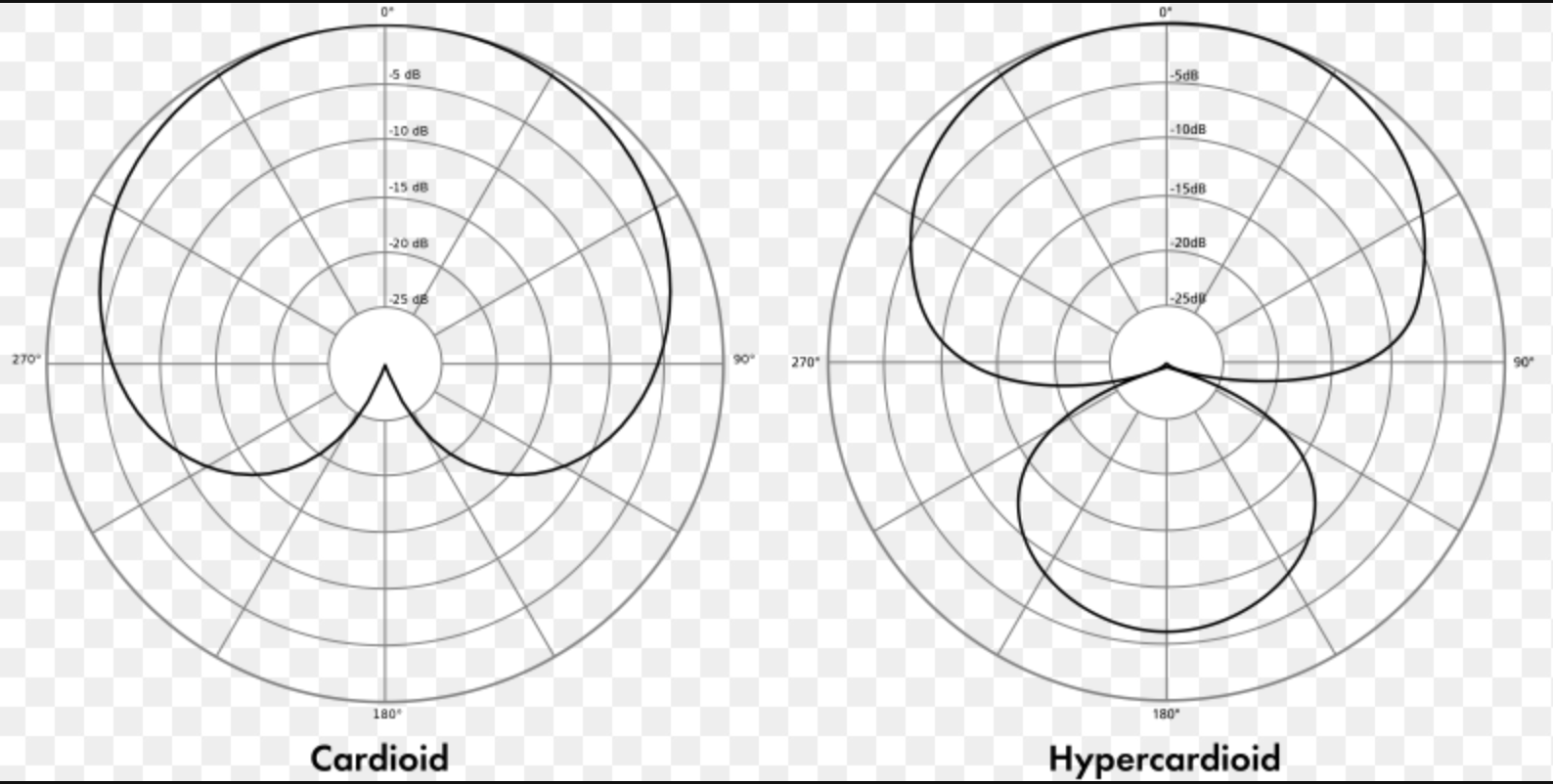
If you're not savvy with technical terminology, bear with me here. The cardioid pattern of a microphone is the area around it that it captures and transforms into a signal. The SM58 is a cardioid microphone, which means that it captures the sound directly in front of it, and a little bit on the sides, but cancels out the sound coming from behind it. That's why it's used on stages, so you don't also amplify the sound of the audience.
More modern mics, like the SE V7, use what's called a supercardioid pattern. Meaning it focuses on capturing the sound directly in front of the microphone, completely cancels out the sides, and captures only a tiny bit from the back. Here's how that affects a stage setup:
- Standard Cardioid microphones reject sound best at 180° (directly behind the mic). Therefore, a floor monitor placed directly behind a cardioid mic is safe.
- Super/Hypercardioid microphones reject sound best at 120° / 240° (off to the rear-sides). This means Supercardioid mics (like the SE V7 or Beta 58A) work better when monitor wedges are placed slightly to the sides, rather than dead center.
This tighter pickup gives you higher gain-before-feedback, allowing sound engineers to push less gain and apply effects easier.
The SM in SM58 actually stands for Studio Microphone. That's right, this mic was never designed to be used in live environments, it was marketed to TV and broadcast studios, where engineers hated the bright, chrome details on mics at the time, which reflected under studio lights. It was meant for recording and narration, and you can definitely notice by how easy it is to make it feedback and how weak the signal is, even for dynamic mic standards.
These mics really do feedback like crazy if you have only a little gain on them because of their polar patterns. And the louder music you play, the more this will be a problem.
The Bass-Baritone Voice
The SM58 tends to accentuate low-mid frequencies, which is great for narrations, but makes voices sound a little muddy if not processed through an equalizer. It also tends to shave off the highs which give your voice brightness and detail, meaning it can end up sounding dull, like it has a blanket over it.
These characteristics actually help female singers a lot. If a female singer was to ask me for a mic recommendation, I probably would recommend an SM58 because it supports them where their voice (typically) needs support, and shaves off the frequencies that women have way more of.
However, for males, and specifically for bass-baritones like myself, this mic is just plain incompatible.
The SM58's proximity effect creates a massive frequency buildup around 200Hz–400Hz, which muddies a baritone's natural clarity. It also shaves the high-frequency detail that our voices need so we can be understood.
When I made the jump from the SM58 to the SE V7, I not only sang better because I could hear myself better, but because I liked what I heard, and sang more confidently. Next week I'll do a deeper dive on that microphone because after testing all of these mics listed below, I truly believe the SE V7 is the best mic for baritone singers.
The Lack of Modern Features
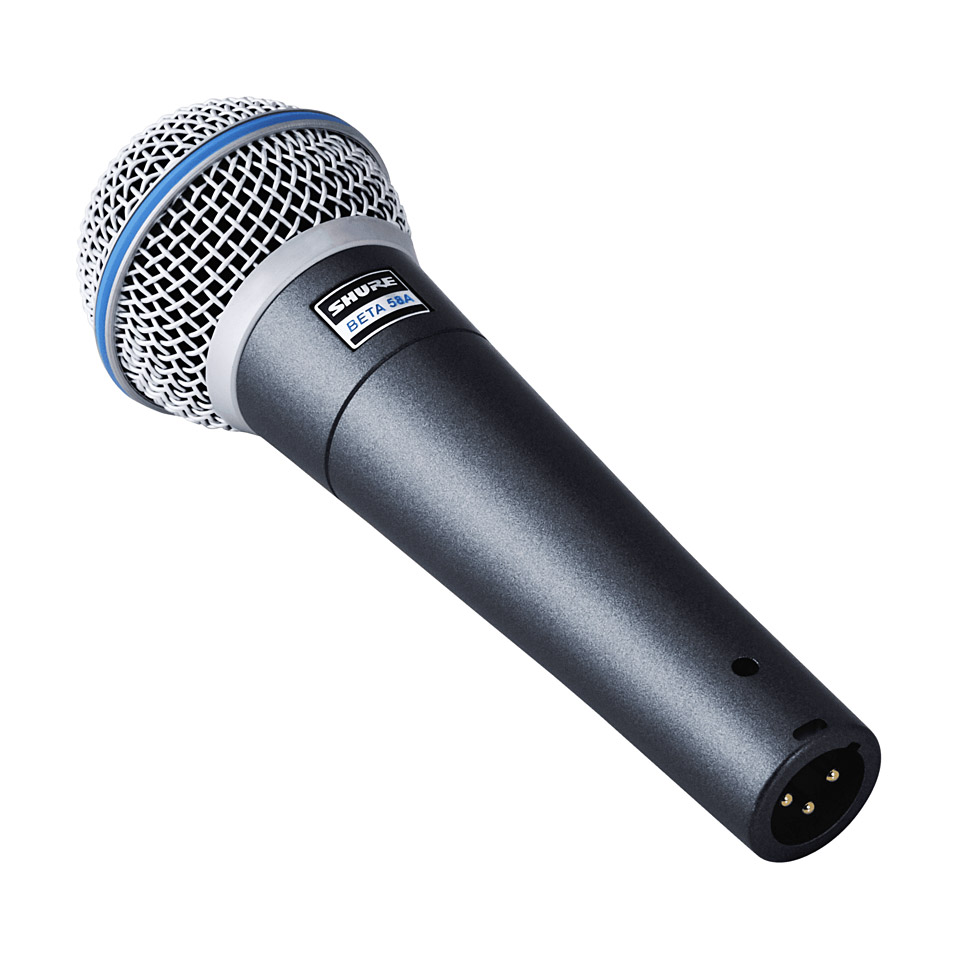
The SM58 isn't a bad microphone, it's just a little outdated, and Shure knows this, that's why they released the Beta 58A 30 years ago! This is the mic you should be considering. It's more expensive, but features a supercardioid pattern.
In Conclusion
Hate is perhaps a strong word, I don't cringe at the sight of a 58, I appreciate its relevance in the music industry and would never outright refuse to use one, but I do believe that we as musicians need to stop idolizing gear just because it's old. Yeah, I said it.
Times change and so does art, that's a good thing. With how difficult it is to find reviews of anything other than the SM58, I wanted to take this chance to show you the different competitors you might consider when choosing a mic, whether you're a beginner or a pro. I'll be talking about all of these very soon.
Do you still swear by the SM58 on stage, or have you upgraded to something modern like the sE V7? Drop your stage setup in the comments below.
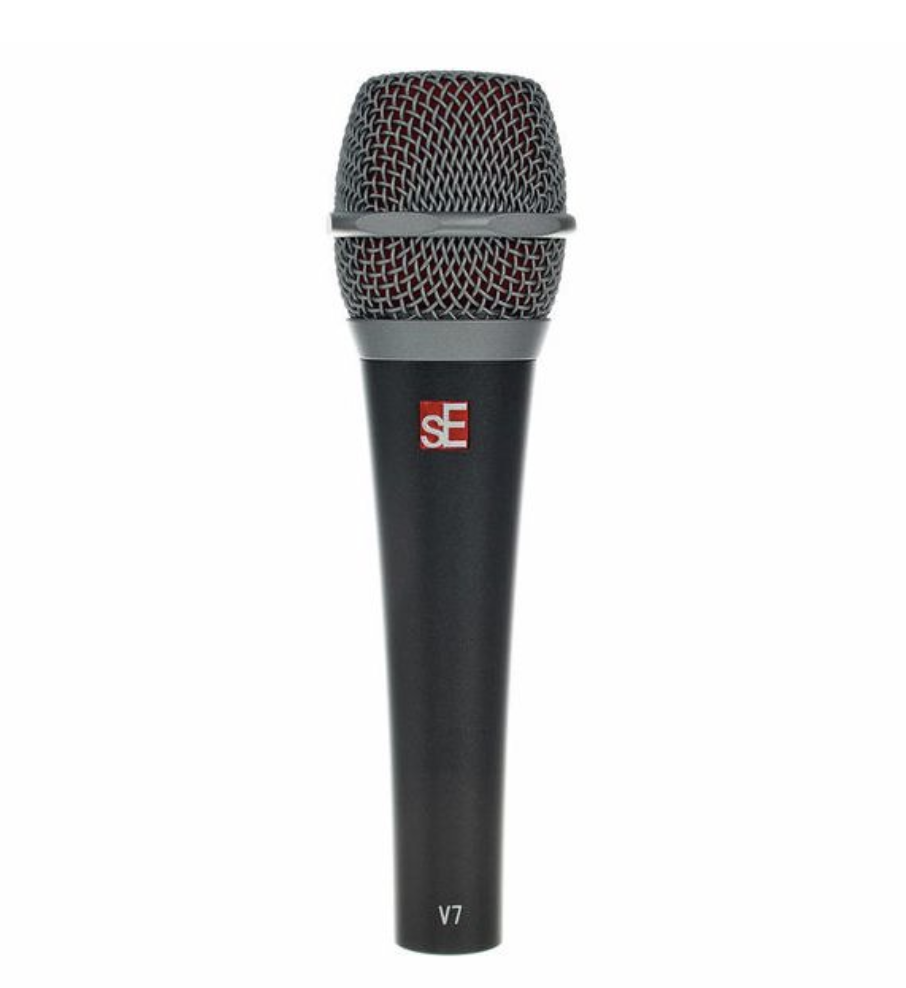
SE Electronics V7
My go-to mic for live performances of any type, in any venue
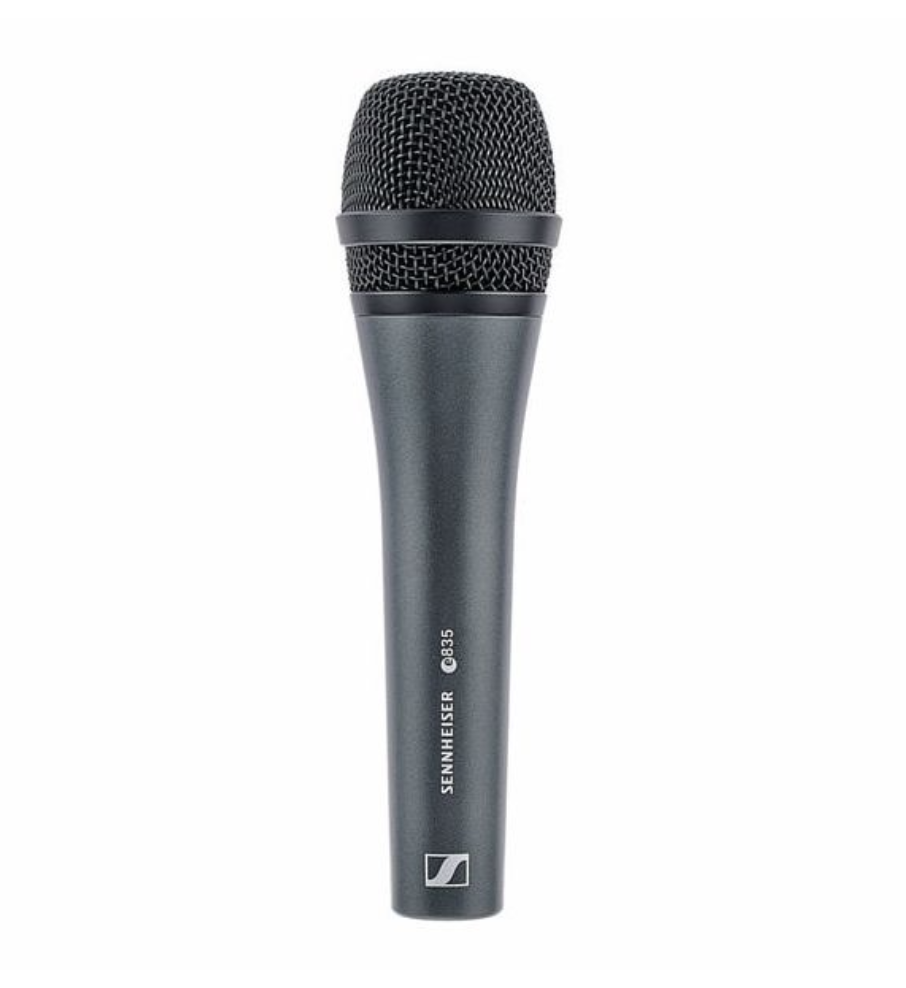
Sennheiser e835
Probably the second most used dynamic mic behind the 58
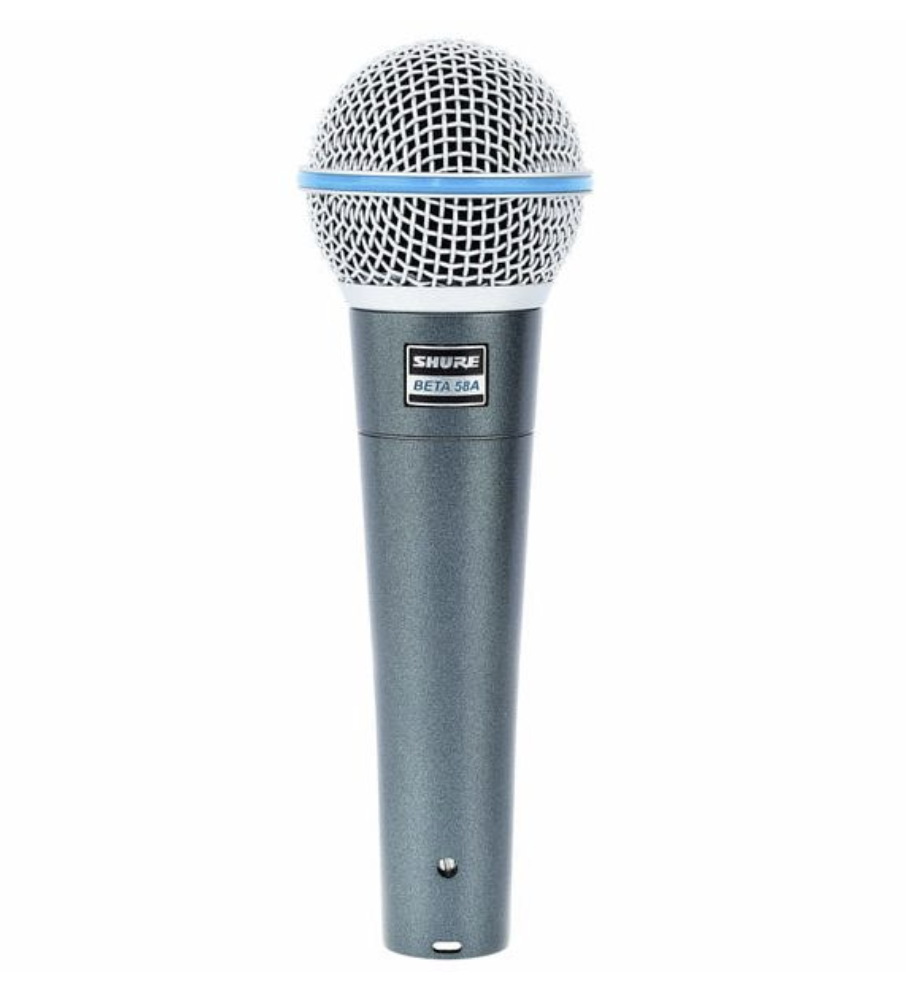
Shure Beta 58 A
If you really like the look of a 58, consider shelling out a little more for a more updated mic that sounds better.
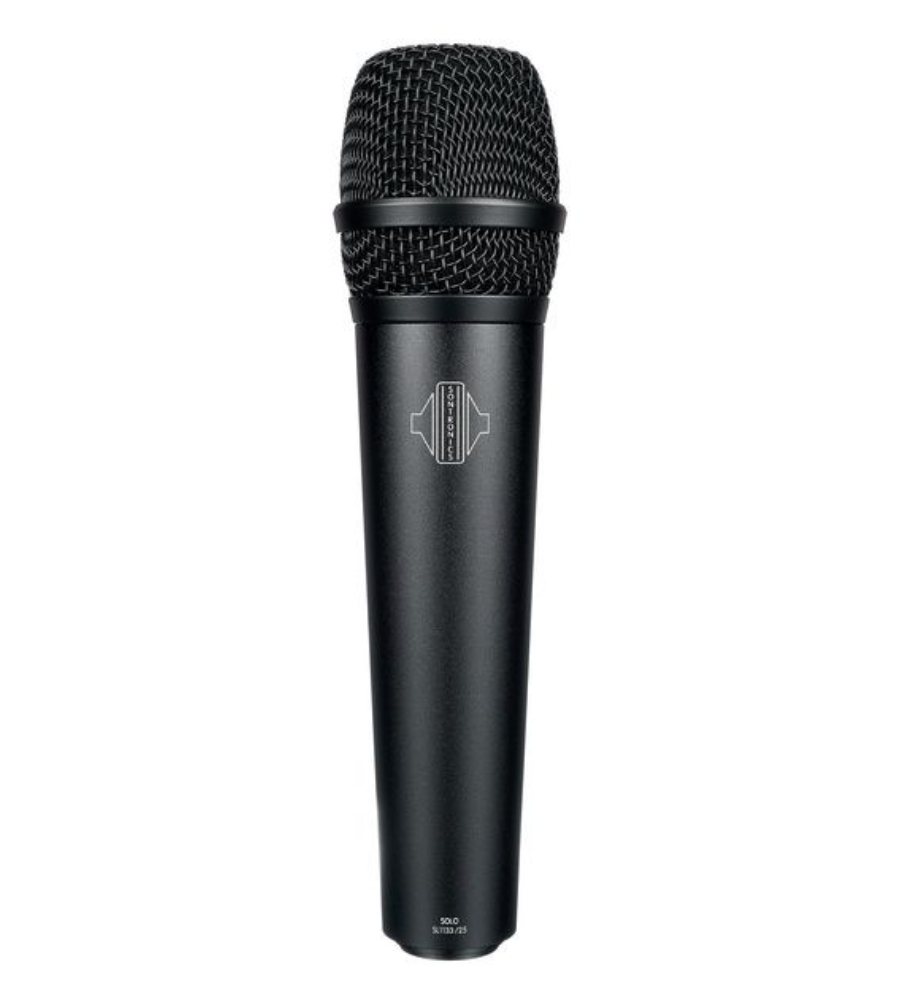
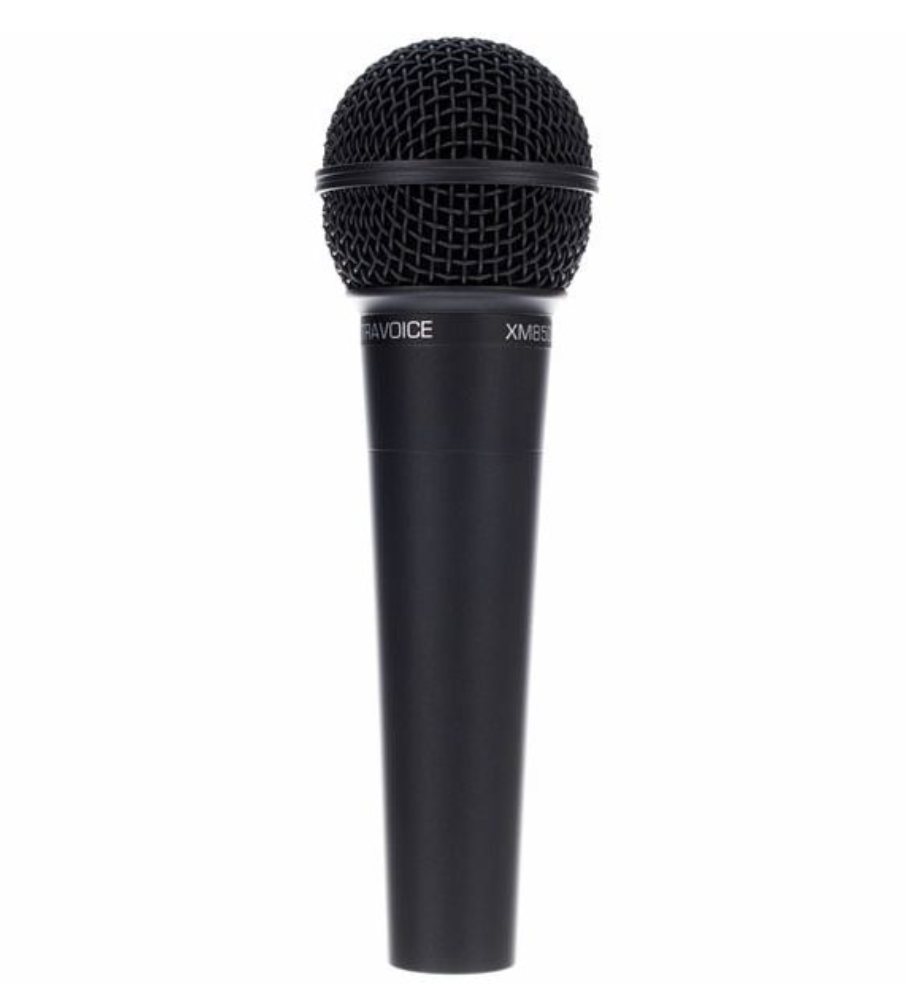
Behringer XM8500
Ultra budget-friendly microphone that sounds better than it has any right to
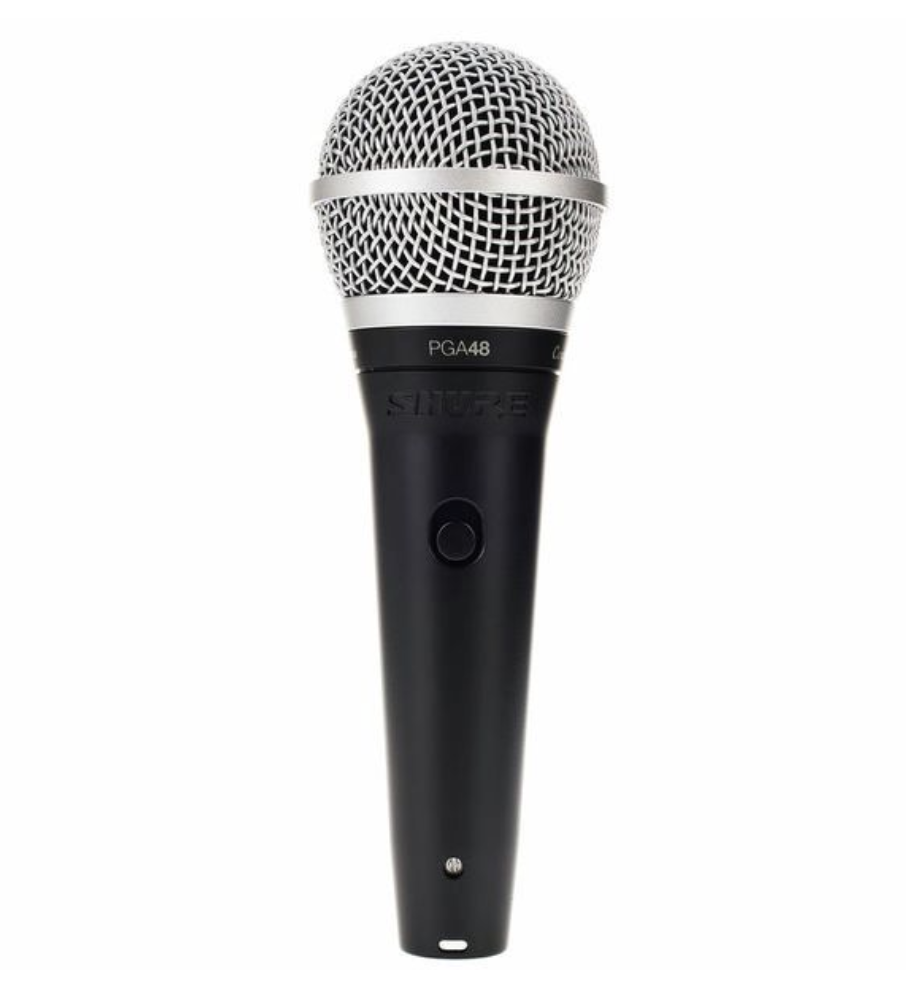
Shure PGA48
Good budget mic, though I'd get the Behringer if pitted between them